Play After the Inferno
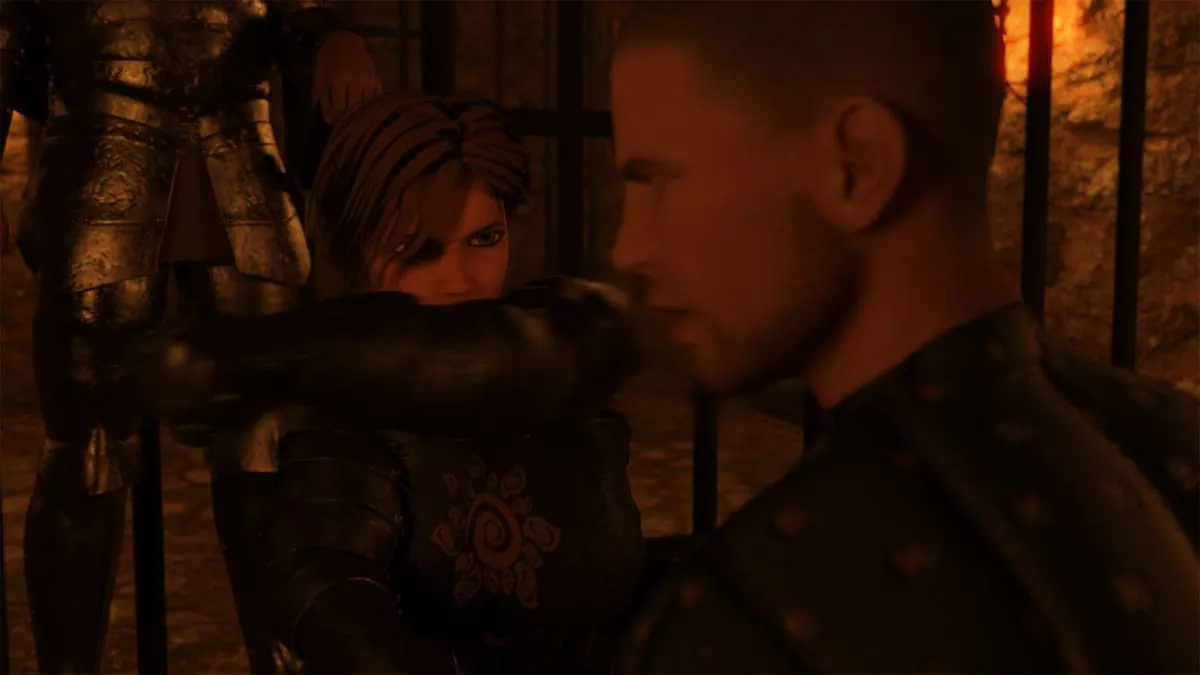
After the Inferno Screenshots
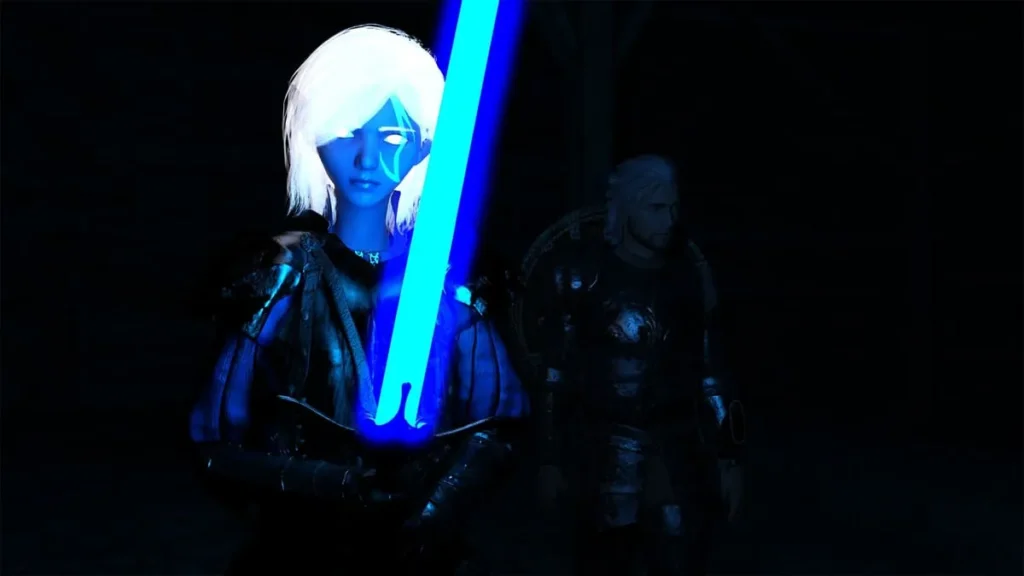
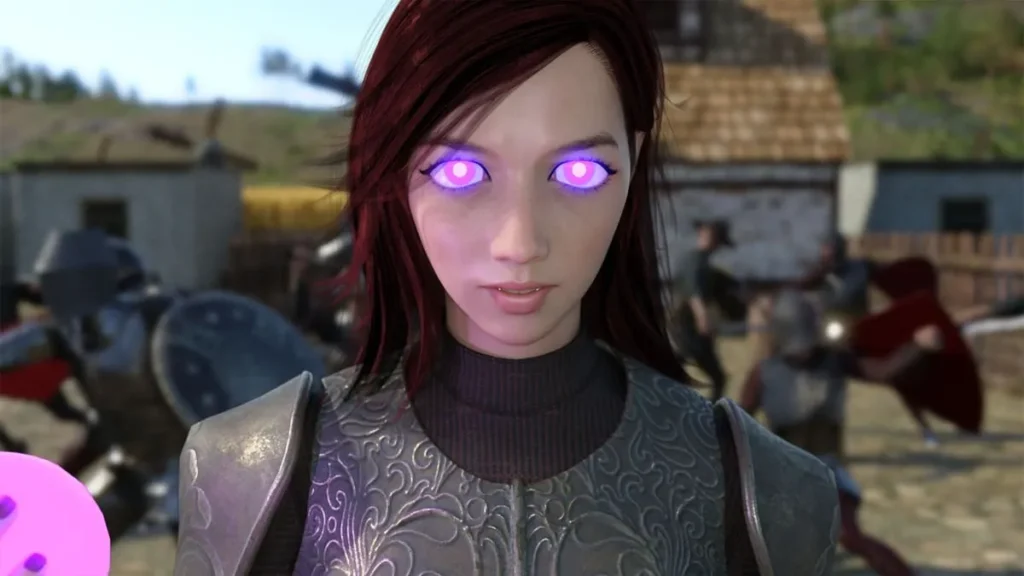
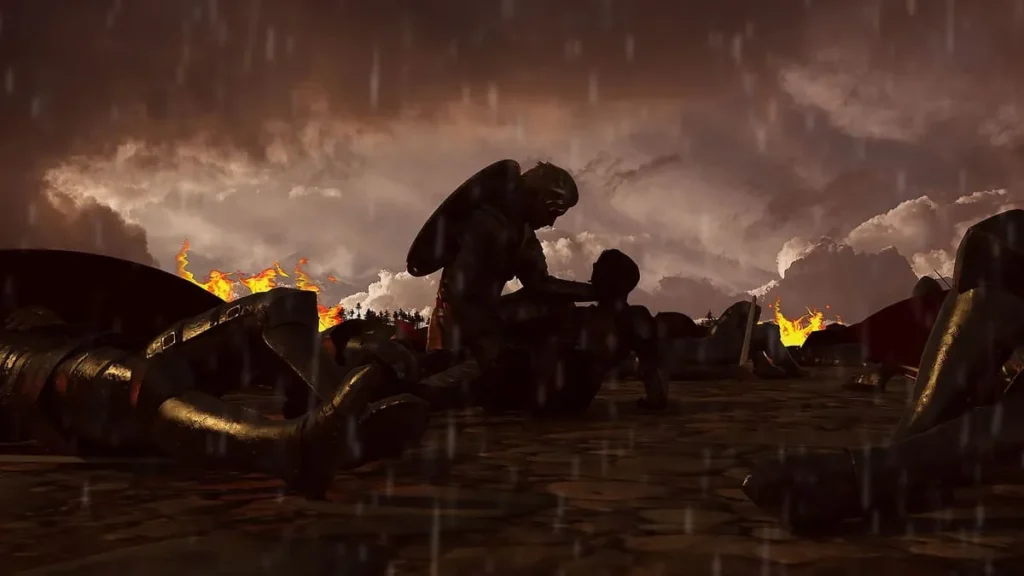

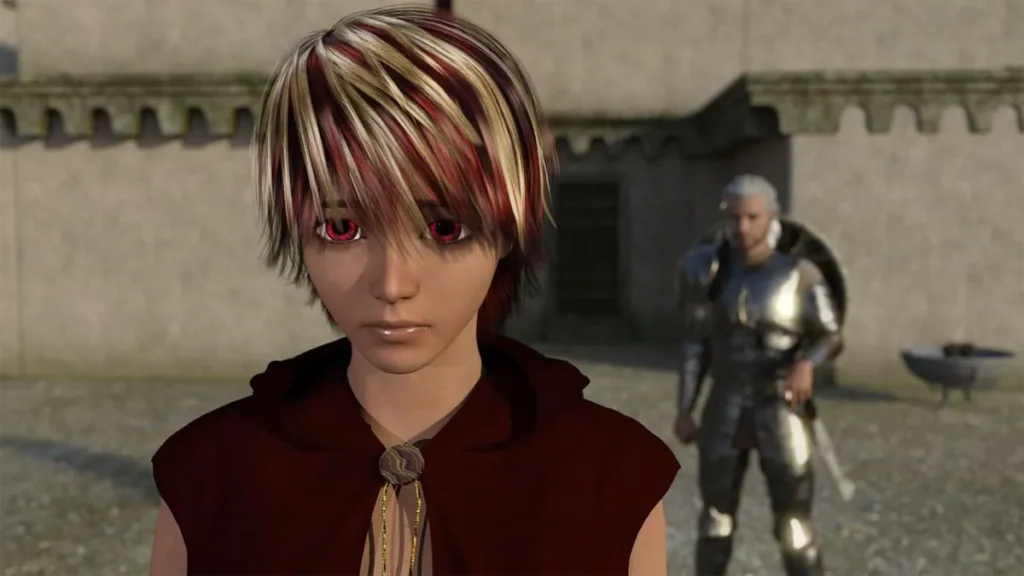
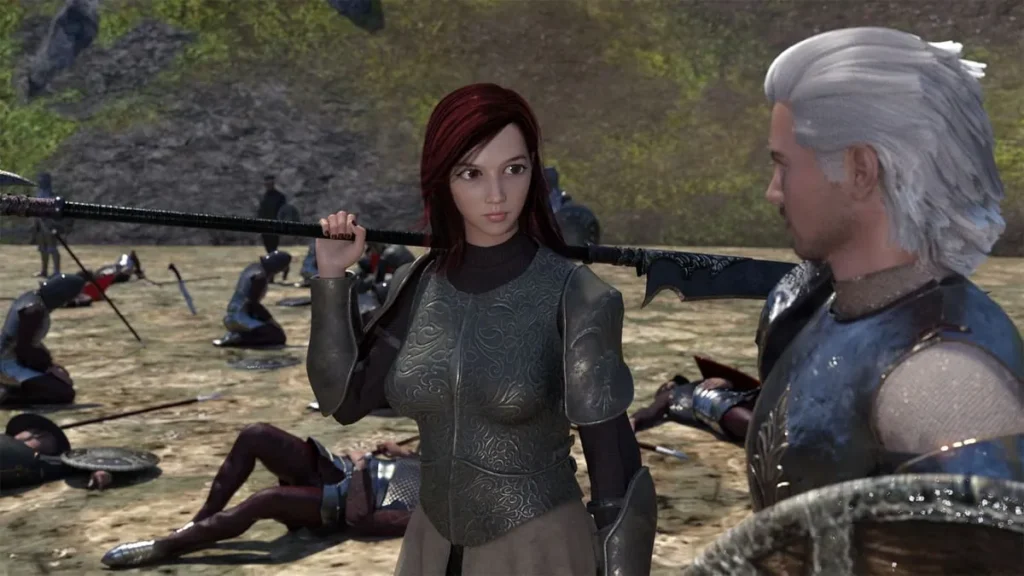
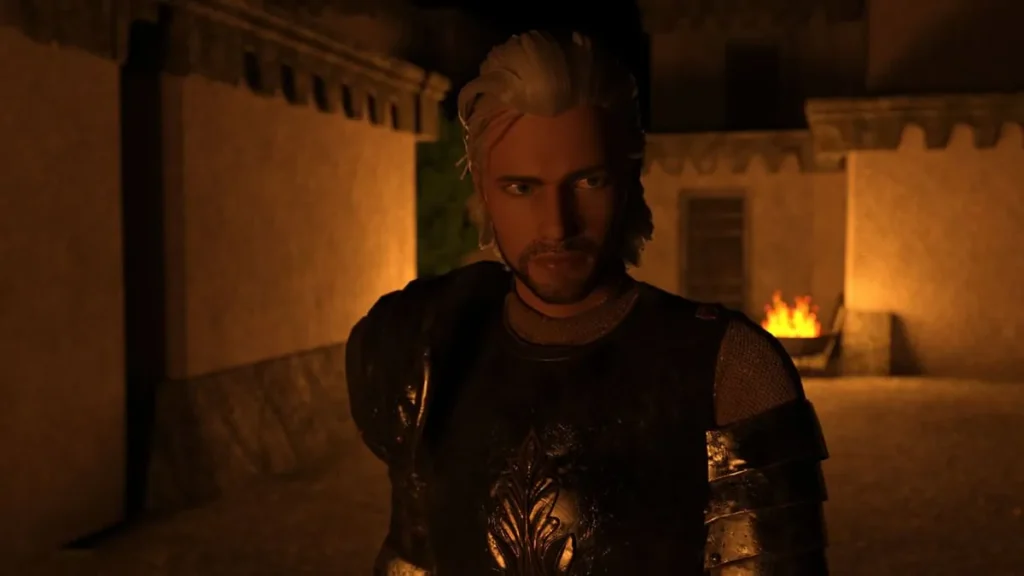

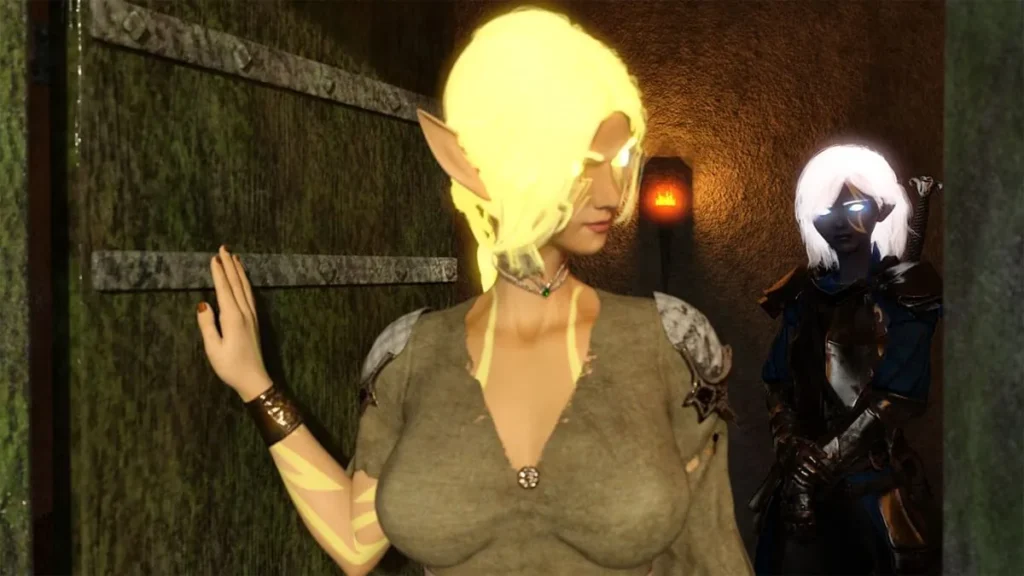
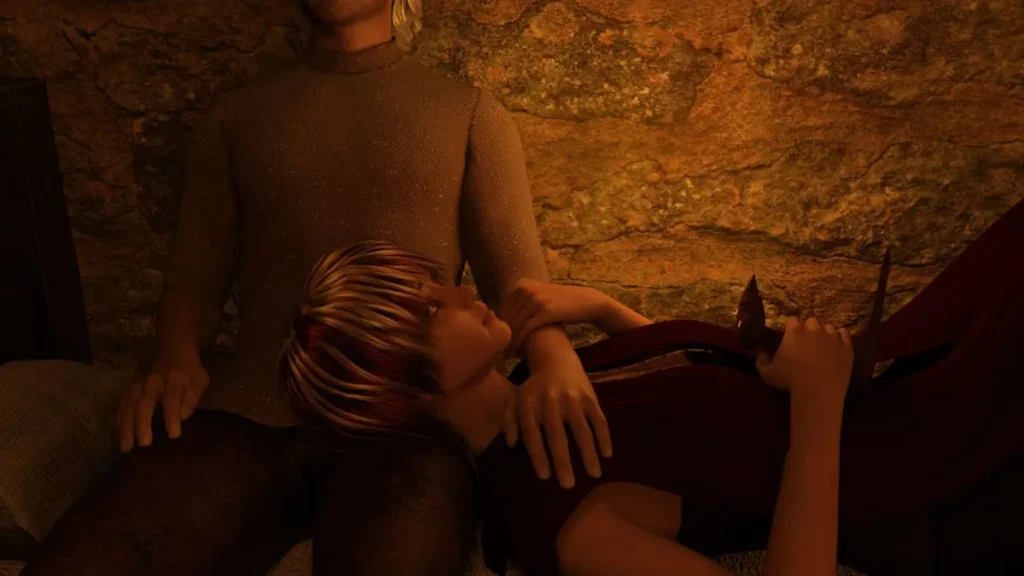
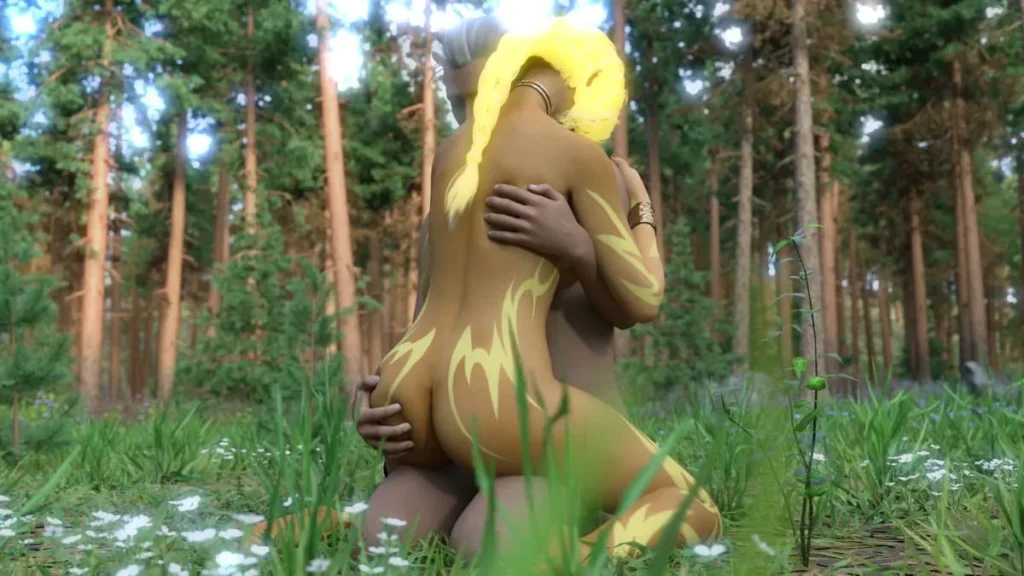
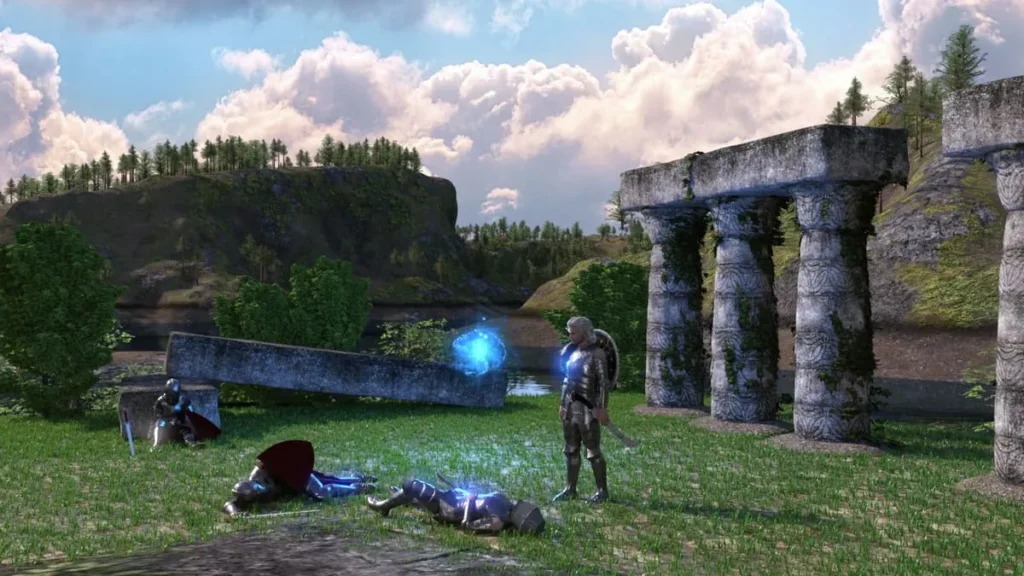
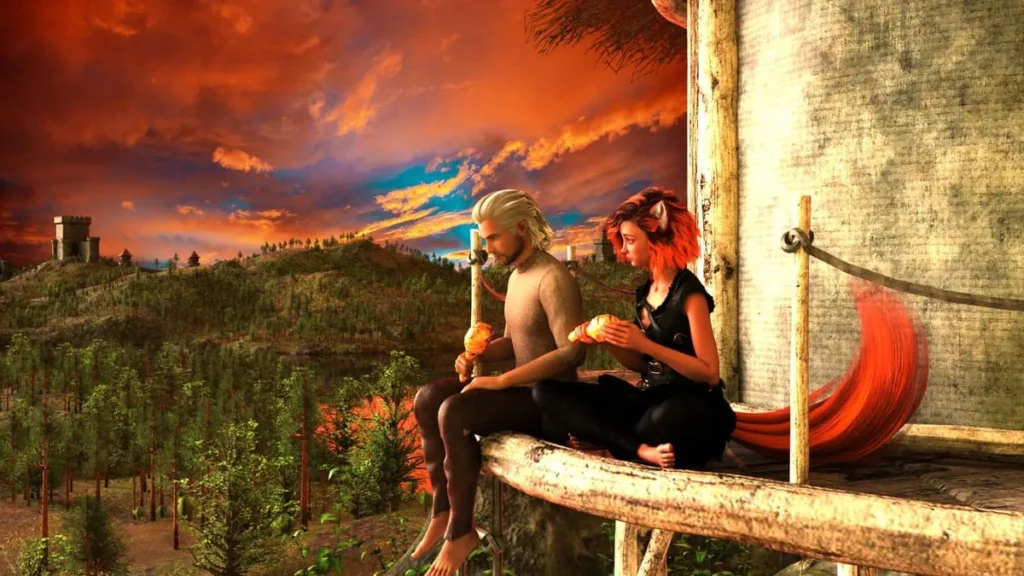
After the Inferno review
Dive into the spicy story, characters, and choices that make this game unforgettable
Imagine emerging from a blazing trial, only to face temptations that test your soul in ‘After the Inferno.’ This captivating visual novel hooked me from the first choice, blending rich storytelling with optional animated encounters that add real heat to the narrative. As Devran, you’ll navigate a world of lore, religions, and complex relationships in a post-crisis setting. I’ve replayed it multiple times, unlocking galleries and codex entries that deepen the immersion. Whether you’re here for the plot twists or the steamy moments, this guide uncovers everything to maximize your playthrough. Let’s explore why ‘After the Inferno’ stands out in visual novels.
What Makes After the Inferno a Must-Play Visual Novel?
It started, as these things often do, with a recommendation from a friend whose taste I trust implicitly. “You love a good story with weight to it,” they said, “but you also appreciate when a game isn’t afraid to be… expressive.” They sent me a link, and with a curious click, I downloaded After the Inferno. A few hours later, I was completely absorbed, utterly invested in the fate of a man named Devran and his shattered world. I wasn’t just playing a game; I was unpacking the trauma of a cataclysm alongside him, making choices that felt heavy with consequence, and forming bonds that seemed genuinely meaningful. This wasn’t just another titillating distraction—it was a full-blown narrative experience that respected my time and intelligence. So, let’s dive into what makes After the Inferno a must-play visual novel.
Unpacking the Core Story and Setting
At its heart, what is After the Inferno? It’s a tale of survival, rebuilding, and personal rediscovery in the literal ashes of catastrophe. You step into the boots of Devran, a man who awakens with fragmented memories after a world-shattering event known only as “The Inferno.” The setting is a fascinating, grounded fantasy realm where magic exists but feels earned and ancient, not flashy and commonplace. The brilliance of the Devran story lies in its dual focus: the macro struggle to understand and recover from a global disaster, and the micro, intimate journey of a man piecing his own soul back together.
The narrative doesn’t spoon-feed you. Instead, it invites exploration. This is where the game’s codex lore system becomes your best friend. As you travel, meet characters, and uncover secrets, your codex fills with detailed entries on locations, religions, historical figures, and political factions. It’s not just background fluff; it’s essential reading for anyone who wants to truly grasp the stakes. Want to understand why two characters are at each other’s throats? Check the codex entries on their homeland’s history. Curious about the magic system? There’s a lore entry for that. This deep world-building transforms the experience from a simple after the inferno game into a living, breathing world you feel compelled to understand.
Pro Tip: Make liberal use of the codex! It’s the key to moving from a passive observer to an active participant in this rich world.
The cast of characters you meet is refreshingly nuanced. The narrative is told from a male viewpoint, and your potential companions—primarily compelling female characters—are written with agency, depth, and their own motivations. The game is visually generous with its character art, but it never feels objectifying. These characters have histories, fears, and dreams that extend far beyond their relationship with Devran. Building a connection with them feels like a genuine accomplishment, a slow burn built on trust and shared trials rather than simple checkbox completion.
Here’s a quick list of key features that support this deep narrative experience:
- Strategic Saving: Use multiple save slots! The branching paths are significant, and you’ll want to revisit key decisions.
- Comprehensive Codex: Your in-game encyclopedia for all things lore-related—locations, religions, characters, and magic.
- Unlockable Gallery: A dedicated space that rewards your progress, collecting beautiful artwork and memorable moments.
- Respectful Pacing: The story takes its time, allowing emotional beats to land and relationships to develop naturally.
Let me share a moment that hooked me. Early on, Devran is faced with a seemingly minor choice: comfort a grieving side character with words of shared loss, or offer practical, detached advice for moving forward. I chose empathy. Hours later, that same character reappeared, not as a quest giver, but as a steadfast ally in a moment of desperate political maneuvering, citing that earlier moment of kindness as their reason for trust. The game remembers, and it makes every dialogue choice feel potent.
Why the Animated Scenes Elevate the Experience?
Now, let’s talk about one of the most distinctive features in this visual novel review: the animated encounters. In many story-driven games, romantic or intimate moments are relegated to a fade-to-black or a static image. After the Inferno takes a different, more immersive approach. These scenes are fully realized, short animated sequences that bring a powerful sense of presence and vulnerability to key relationship milestones.
But—and this is a crucial but—they are fully optional sex scenes. This isn’t a minor footnote; it’s a foundational design philosophy. At the start of any such scene, you are given a clear, unambiguous choice to experience the animated version or skip to a more subdued, narrative-focused conclusion. You can build the deepest, most committed romantic relationships in the game without ever viewing a single animation if you so choose. This freedom is liberating. It means the game caters to players who are here purely for the intricate Devran story and world, while also satisfying those for whom the visual and emotional crescendo of animation enhances the bond.
And enhance it they do. When you opt in, these animated encounters serve as emotional exclamation points. They are not gratuitous detours; they are narrative payoffs. After spending hours rebuilding trust with a character scarred by betrayal, sharing a moment of animated intimacy feels like a profound victory, a silent language that says, “We are safe with each other.” It validates the emotional journey you’ve undertaken together. The animation quality is smooth and tastefully done, focusing on emotion and connection rather than pure mechanics, which aligns perfectly with the game’s character-driven heart.
Player Choices and Replay Value Explained
The soul of any great visual novel lies in its branching paths, and After the Inferno delivers this in spades. This is not a game with one “true” ending and a bunch of bad ones. Instead, it presents a web of replay branches that authentically reflect the complexity of its world and characters. Your choices determine which companions you grow closest to, the political alliances you forge, and ultimately, the fate of the communities struggling to rise from the ashes.
The game operates without a “punishment” system for romance. You are free to explore connections with multiple potential mates, and the narrative weaves these threads with remarkable sophistication. Characters have their own feelings and reactions—jealousy, encouragement, or quiet resignation can all emerge organically based on your actions. This creates a dynamic social landscape that feels incredibly real. There’s no arbitrary “points” system; there are only consequences, understandings, and sometimes, heartbreaking choices.
My practical, actionable advice? Embrace the replay. Your first playthrough should be instinctive—go with your gut, pursue who interests you, and see where Devran’s path leads. Then, save that file, start a new one, and make radically different choices. Side with a different faction. Offer comfort instead of challenge. Pursue a different companion. The amount of new dialogue, scenes, and narrative outcomes is staggering. You’ll uncover hidden facets of the codex lore, trigger events you never knew existed, and see sides of characters that remained hidden in your first run. This immense replay value transforms the after the inferno game from a one-time story into a narrative playground where your curiosity is the ultimate guide.
To illustrate the scope, here’s a simplified look at how one major mid-game decision can ripple out:
| Your Key Decision | Immediate Consequence | Long-Term Branching Effect |
|---|---|---|
| Support the Merchant Consortium’s claim to a ruined city district. | Gain immediate funds and resources for your base. 🏦 | Unlock unique trade-related quests and allies; alienate the traditionalist Artisans’ Guild, locking their companion path. |
| Back the Artisans’ Guild’s historical claim instead. | Earn powerful, unique crafted items and their loyalty. ⚒️ | Gain access to deep lore about pre-Inferno craftsmanship; the Consortium becomes a persistent minor antagonist. |
| Propose a shared, neutral governance council. | Neither side is fully happy; it’s a diplomatic tightrope. ⚖️ | Unlocks a complex, narrative-heavy “diplomacy” storyline with high risk and high reward, requiring skill checks in later conversations. |
This level of detail is present throughout, ensuring that no two playthroughs of this visual novel review staple are ever the same.
In the end, what is After the Inferno’s greatest strength? It understands that the spice of a story isn’t found in isolated moments, but in the simmering buildup, the weight of choice, and the authenticity of connection. While the animated encounters are a bold and well-executed feature, they are just one part of a much larger, deeply satisfying whole. This is a game for those who love to get lost in a world, for readers who want their choices to echo, and for players who believe that the most memorable moments in gaming are those charged with genuine emotion and consequence. If you’re a story lover first and foremost, After the Inferno is an unforgettable journey waiting to be discovered.
FAQ: Your After the Inferno Questions, Answered
Q: Can I really enjoy the story if I skip all the optional animated scenes?
A: Absolutely, 100%. The game is designed with this choice as a core principle. All character development, relationship milestones, and plot progression are fully retained. Skipping the animations simply presents those key moments through evocative text and tender static images, keeping the focus squarely on the narrative and emotional beat.
Q: Is the protagonist gender-locked?
A: Yes, for this specific story, you play as Devran, a set male character. The narrative is deeply intertwined with his personal history, memory loss, and journey of rediscovery, which relies on this specific perspective.
Q: How many endings are there, and how different are they?
A: Without spoilers, there are multiple major ending variations that reflect the key political, social, and personal choices you make throughout the game. They are significantly different, affecting the fate of major characters, factions, and the world itself. Combined with the numerous replay branches in individual character arcs, this provides massive incentive to play through more than once.
After the Inferno masterfully weaves a gripping tale of survival, choices, and connections that linger long after the credits roll. From Devran’s heartfelt decisions to the optional animated moments that amplify the drama, it’s a visual novel that rewards multiple playthroughs with its codex depth and branching paths. My own dives into its world revealed layers of lore and emotion I couldn’t resist exploring. If you’re craving a story-driven adventure with spice, grab it now, experiment with saves, and uncover every secret. Your next obsession awaits—what path will you choose?