
Corruption Time
Play Corruption Time
Corruption Time Screenshots

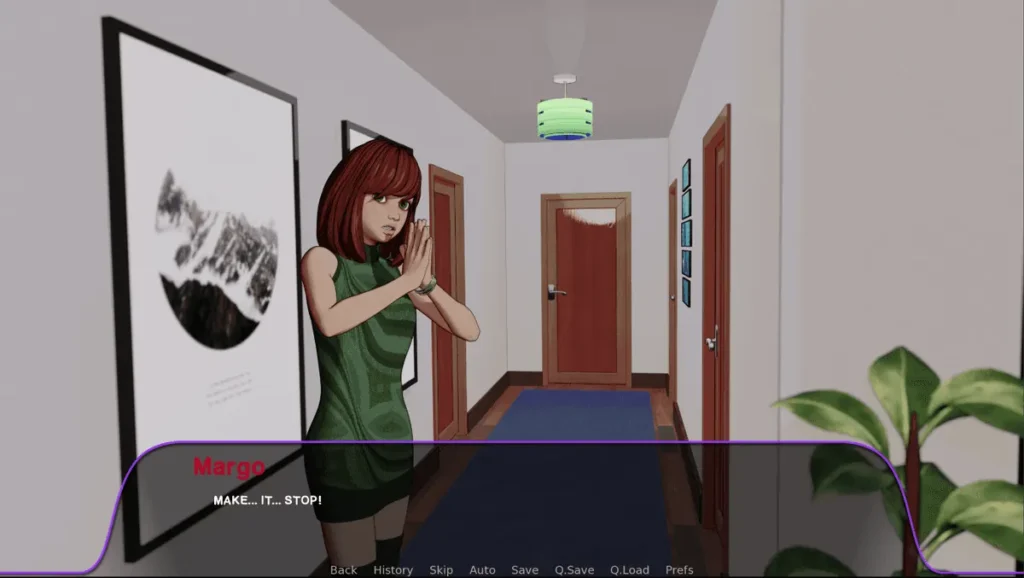


Corruption Time review
Master gameplay mechanics, character routes, and progression systems in this adult simulation game
Corruption Time stands as a complex adult simulation game that combines narrative-driven gameplay with intricate character relationship systems. Players navigate a detailed world where choices directly impact character development, story progression, and available content. This guide explores the core mechanics that make Corruption Time engaging, from understanding relationship points and character routes to mastering the game’s progression systems. Whether you’re new to the game or looking to optimize your playthrough, understanding these foundational elements will significantly enhance your experience and unlock hidden content.
Understanding Core Gameplay Mechanics in Corruption Time
Forget everything you think you know about dating sims. 😮 Corruption Time gameplay mechanics are a unique blend of strategic planning, emotional investment, and narrative consequence that can either lead you to a heartfelt connection or a thrilling descent. I remember booting it up for the first time, thinking I could just wing it with charming dialogue. Big mistake. By the end of week one, my character was lonely, broke, and utterly stuck because I hadn’t grasped the core systems. To truly master this game and unlock its deepest secrets, you need to understand three interconnected pillars: the delicate dance of relationship points, the living world of location-based events, and the relentless tick of the clock. Let’s break it all down so you can avoid my early pitfalls.
How Relationship Points Shape Character Interactions
At the heart of every interaction in Corruption Time lies its brilliant, dual-axis relationship points system. This isn’t a simple “like” meter. Every major character has two independent, often opposing, scores: Love and Corruption. Think of Love as building genuine trust, affection, and emotional connection. Corruption, on the other hand, represents influence, control, and the erosion of inhibitions. 🎭 Your every choice in conversation and action feeds one of these metrics, and the balance between them entirely dictates which character routes and progression paths become available.
This is where the game’s branching dialogue system shines. A single conversation can offer three types of responses: a pure Love option (kind, supportive), a pure Corruption option (manipulative, teasing), or a neutral/skip option. Here’s a practical example from an early interaction with a character like Emma at the library:
* Love Choice: “That book looks heavy, can I help you carry it?” ➔ +Love Points.
* Corruption Choice: “Struggling? Maybe you should have asked for help sooner.” ➔ +Corruption Points.
* Neutral Choice: “What are you reading?” ➔ No major point change.
The magic—and the challenge—is that these scores unlock different scenes, dialogue branches, and even entire story arcs. Reaching a high Love threshold with a character might unlock a tender, romantic scene at the sunset point, while a high Corruption score might unlock a more intense, secretive encounter in the same location. The game constantly tracks your ratio, so you can’t have it both ways on a single playthrough. You must commit to a path.
To visualize how this works, here’s a breakdown of the two metrics:
| Metric | How to Earn | What It Unlocks | Character Interaction Style |
|---|---|---|---|
| Love Points 💖 | Kind dialogue, helpful actions, gifts of affection, respecting boundaries. | Romantic dates, emotional confessions, supportive scenes, “pure” character endings. | Relationships are built on mutual trust and gradual, consensual intimacy. |
| Corruption Points ⚖️ | Manipulative dialogue, leveraging secrets, gifts of temptation, pushing limits. | Dominant/submissive dynamics, secret rendezvous, power-shift scenes, “corrupt” character endings. | Relationships are transactional or power-based, focused on breaking down resistance. |
My first major lesson? Check the relationship screen often! It doesn’t just show numbers; it often gives hints about a character’s current state of mind based on your point balance. Investing heavily in one side will literally close off branches of dialogue tied to the other, making each playthrough distinctly unique.
Navigating the Game’s Location-Based Event System
Corruption Time’s world isn’t just a static backdrop; it’s a meticulously scheduled stage where the story unfolds. The location-based events guide is essentially your roadmap to content. Key scenes and interactions only happen when you are in the right place at the right time, often requiring specific relationship score thresholds to be met first. 🗺️
The campus, the downtown area, and character homes are all hubs for activity. An event at the pool might only be available on sunny weekends after 2 PM, while a crucial story beat for a shy character might only trigger in the library on weekday evenings. This system makes the world feel alive but demands exploration and note-taking. I learned this the hard way when I missed a pivotal event with Sarah because I spent three evenings in a row at the arcade instead of visiting the park.
Pro Tip: The game’s journal often gives subtle clues! A note like “Clara seemed upset after class on Tuesday” is your signal that Clara has a unique event at a specific location (likely near her classroom) on the next Tuesday.
To master this system, you need a strategy. Here is a step-by-step guide to accessing different game locations and understanding time-based event triggers:
- Map Familiarization: In your first in-game week, spend energy to visit every major location at least once during the day and once at night. This unlocks them on your fast-travel map and can trigger introductory events.
- Character Schedule Tracking: Pay attention to where characters say they’ll be. If Mark mentions working at the café on weekends, go there on a weekend to find him and potentially trigger a special work event.
- Threshold Checking: Before you waste time, ensure your relationship scores are high enough. A location event might be visible (the character is there) but not accessible (the special scene triggers) until you have, for example, 40+ Love or Corruption points.
- Save Before Entering: Always save your game before entering a location where you expect a major event. This lets you replay the scene to explore different dialogue choices and see how they affect your points.
- Prioritize One-Time Events: Some location events are unique and will never repeat once the story progresses past a certain day. Others, like generic hangouts, are repeatable for small point gains. Prioritize the unique ones!
This system is deeply tied to how to unlock hidden scenes. Many of the game’s most coveted moments aren’t part of the main route; they are hidden behind very specific location-time-threshold combinations. Finding them is a reward for thorough exploration and relationship building.
Mastering Time Management and Daily Progression
If the relationship points are the what and location events are the where, then time management in Corruption Time is the relentless when. This is the make-or-break mechanic for many players. Each in-game day is divided into blocks: Morning, Afternoon, Evening, and Late Night. Every action—traveling, working, studying, or socializing—consumes one of these blocks. ⏳
You start with a limited amount of Energy and Money. Social interactions cost Energy. Earning Money at a part-time job costs both a time block and Energy. It’s a constant juggling act. My disastrous first playthrough failed because I spent all my Energy on social actions early in the day and had none left for a critical evening event, or I was too broke to buy a gift that would have pushed a relationship over a crucial threshold.
The daily progression loop is simple but punishing:
1. Plan Your Day: Check your map and relationship menus. Is there a known location-based event today? Do you need to work to afford a gift tomorrow?
2. Allocate Resources: Each time block is precious. Use mornings for efficient actions like a quick job (to fund your pursuits) or studying (which can unlock dialogue options). Save afternoons and evenings for socializing and key events.
3. Monitor Stats: Keep an eye on Energy. Going below zero can force you to skip the next time block to rest, ruining your plans.
4. Advance the Narrative: Many main story beats automatically trigger after a set number of days or when specific global conditions are met, so dallying for too long can lead to a game over.
The branching dialogue system and your time management are inextricably linked. Choosing a long, immersive conversation path will consume your entire time block, whereas a brief, dismissive chat might leave you time for another activity. Do you spend your only evening helping a character with their problem (Love path) or use that time to dig up compromising information on them (Corruption path)? The choice directly impacts both your relationship scores and your schedule efficiency.
Ultimately, mastering Corruption Time gameplay mechanics is about syncing these three systems. Your chosen relationship path (Love vs. Corruption) determines which location-based events guide clues you pursue, and your time management in Corruption Time skill determines whether you can successfully reach those events with the right resources. Understanding this interplay early is the absolute key to avoiding frustration and unlocking the rich, rewarding narratives—both sweet and sinister—that this game has to offer. Now get out there, manage that time, and start shaping your story. 🎮
Corruption Time offers a deeply layered experience where understanding core mechanics, character progression systems, and resource management directly impacts your ability to experience all available content. The game rewards careful planning and strategic decision-making, particularly when managing multiple character routes and ensuring you don’t lock yourself out of progression paths. By mastering the relationship point system, following recommended character enslavement sequences, and optimizing your economic strategy, you can unlock the full breadth of what Corruption Time has to offer. The key to a satisfying playthrough lies in recognizing that every choice matters—from which relationship points you prioritize to the order in which you progress characters. Take time to plan your approach, complete character routes thoroughly before enslavement, and manage your resources wisely to ensure a complete and rewarding gaming experience.