Play Dreamland
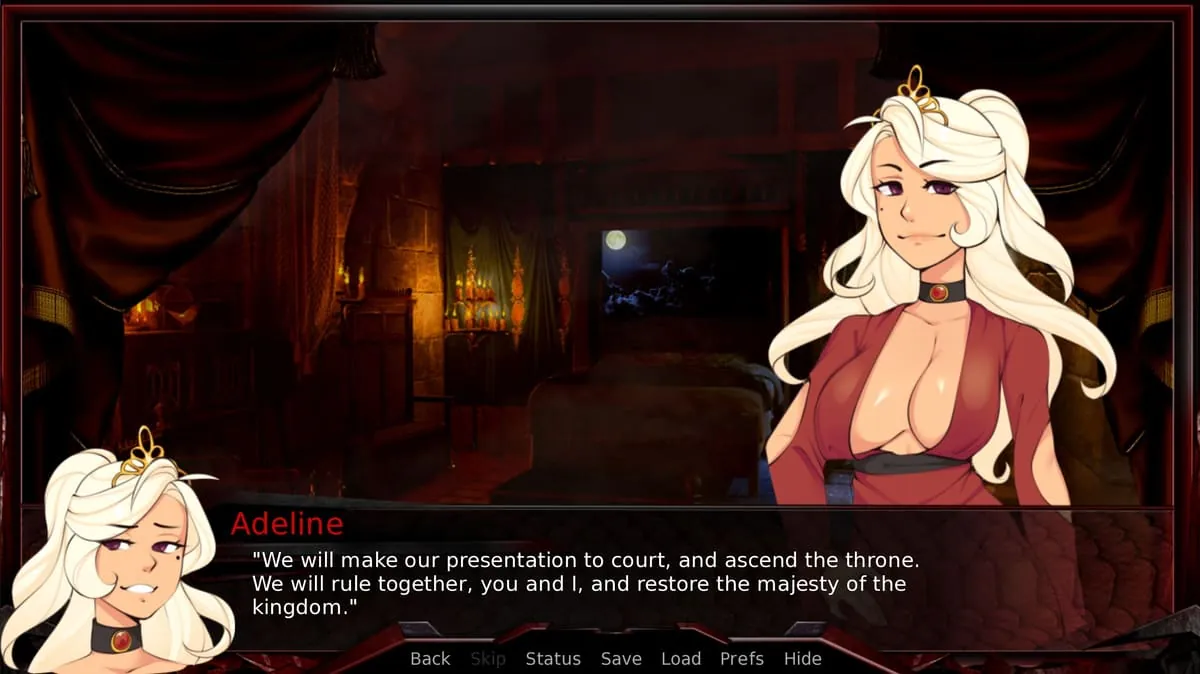
Dreamland Screenshots








Dreamland review
A practical, player-focused guide to Dreamland’s systems, story, and strategies
Dreamland is a narrative-driven interactive game that blends exploration, character-driven choices, and branching outcomes into a replayable experience. In this article I cover Dreamland in depth — its core systems, character progression, story structure, and practical strategies I’ve used while playing. Whether you’re starting your first run, aiming to unlock alternate endings, or optimizing builds, this guide walks you through what matters most in Dreamland and shares hands-on tips from my playthroughs to help you navigate tricky choices and hidden content.
Core Gameplay and Mechanics in Dreamland
Welcome to Dreamland! ✨ If you’re here, you’re probably ready to swap button-mashing for brain-tickling. The Dreamland gameplay experience isn’t about level-grinding or loot hoarding; it’s about wandering through hand-painted vistas, having meaningful chats, and watching your choices—both big and small—echo through the world. The core loop is beautifully simple: Explore, Talk, Choose, and see what happens. It’s a game where spending an hour helping a shopkeeper with a personal dilemma can be more rewarding than any epic boss fight.
This chapter is your practical map to that experience. We’re going deep on the Dreamland mechanics that make it all tick, from the brilliant dialogue system to your personal growth. I’ll share the strategies I wish I’d known from the start, including a couple of times my choices went hilariously (and tragically) wrong. Let’s get you ready to play your story.
How Dreamland plays: exploration, dialogue, and consequence
At its heart, how to play Dreamland is about curiosity. You’ll spend your time exploring intricate, fixed-perspective scenes packed with detail. Click on that odd-looking tree, examine the faded poster, or peer into a dusty window—environmental storytelling is king here. There’s no minimap blizzard or quest marker spam. Your eyes and intuition are your primary tools for Dreamland exploration.
But the real magic happens when you talk to someone. The Dreamland dialogue system is the engine of the entire game. Every conversation is a web of potential paths, and your route isn’t just determined by what you say, but by who you are. Your skills, your chosen background, and even your past major decisions will unlock or lock specific dialogue options.
🗣️ Pro Tip: If a dialogue option is highlighted in gold, it’s unlocked by one of your skills or traits. These are almost always the most interesting paths, leading to unique information, quests, or resolutions.
Consequences aren’t always dramatic “GOOD” or “EVIL” pop-ups. They’re subtle. Agree to deliver a letter for a lonely sailor, and you might later find his long-lost sister running a new stall in the market. Snub a local official, and you could find doors closed to you in that district until you make amends. The world feels alive because it remembers.
Here’s a small personal anecdote: In my first run, I met a nervous artist in the park. I had a high Empathy skill, which gave me a special option to gently critique her work and offer encouragement. I did. Fast forward ten hours, and I entered a grand gallery—there was her first exhibition, and she named me as her inspiration in the program. A tiny, kind choice created a lasting, beautiful mark on the world. It felt incredible.
Character creation, skills, and progression
Your journey in Dreamland begins with two major choices: your Background and your starting Skill points. This isn’t just cosmetic flavor; it’s the foundation of your unique story and your approach to character progression in Dreamland.
Backgrounds are your origin story. Pick the “Archivist,” and you’ll start with extra Lore skill and a unique questline about recovering lost knowledge. Choose “Vagabond,” and you might have special insights into the city’s underworld and dialogue options that reflect a life on the streets. Your background regularly opens doors—sometimes literally—that are closed to others.
Skills are your tools for interacting with the world. They don’t make you “stronger” in a traditional sense; they make the world more accessible. Think of them as keys.
| Skill | Primary Use | Early-Game Priority |
|---|---|---|
| Perception | Spot hidden objects, notice lies in conversation, see subtle environmental clues. | High. Unlocks so much hidden content and avoids missing clues. |
| Empathy | Understand NPC motivations, unlock compassionate solutions, gain trust faster. | Medium-High. Crucial for the most rewarding narrative outcomes. |
| Lore | Decipher ancient texts, understand historical context, identify magical artifacts. | Medium. Great for puzzle-solving and unlocking deep world secrets. |
| Charm | Persuade, negotiate, and smooth-talk your way past social obstacles. | Medium. The “get out of trouble” skill for social encounters. |
| Dexterity | Perform sleight of hand, pick delicate locks, navigate precarious environments. | Medium. Opens physical alternate paths and secret stashes. |
You earn skill points by gaining Experience, which is awarded primarily for discovering new areas, completing quests (often through dialogue), and uncovering major secrets—not for combat. Putting points into a skill doesn’t just add a +1; it often unlocks entirely new types of interactions. For example, raising Perception from 2 to 3 might allow you to notice a hidden lever in the governor’s mansion that was completely invisible before.
My Recommended Early Build: For a first playthrough, I suggest a balanced approach. Put your first few points into Perception (to find everything) and Empathy (to connect with everyone). This build lets you experience the widest possible slice of content on a single run. A “social-build” focusing purely on Empathy and Charm is powerful for manipulating stories, but you’ll miss physical secrets. A pure “exploration-build” with Perception and Dexterity will find every hidden nook but might fail to resolve character conflicts in optimal ways.
Unique systems: journals, choices that ripple, and replayability
Dreamland has two brilliant systems that set it apart: the Living Journal and the Ripple Effect. Together, they transform a great single playthrough into an irresistible invitation to replay.
Your in-game Journal is your best friend. 📖 It doesn’t just log quests; it logs consequences. After a major decision, a new entry will appear, detailing not just what you did, but how people reacted and how the situation changed. It’s a narrative tracker. This is vital because choices can have delayed effects. You might make a decision in Chapter 1 and not see its full impact until Chapter 3. The journal helps you connect those dots and truly understand the weight of your actions.
The Ripple Effect is the core Dreamland mechanic that makes every playthrough unique. Small choices matter. That beggar you gave a coin to? He might later warn you about a trap. The book you returned to the library? It might contain a coded note that becomes relevant in a totally separate quest. The game’s world is a web, and you’re constantly plucking the strands.
This is where replayability goes through the roof. On a second playthrough, with a different background and skill focus, you’ll discover:
* Entirely new quests and characters you never met before.
* Different solutions to problems you thought only had one answer.
* The shocking consequences of the other path you didn’t take last time.
A Small Case Study: The Town Dispute
In one quest, two merchants are feuding over a signboard. My high-Charm character was able to broker a lucrative business merger between them, making me a profit and a friend in both camps. My friend, playing a low-Charm but high-Dexterity character, couldn’t negotiate. Instead, he sneaked out at night and stole the contested signboard altogether, creating a whole new mystery and making both merchants permanently suspicious. Same scenario, diametrically opposed outcomes and follow-up quests.
Practical Advice and Step-by-Step Strategies
Let’s get tactical. Here’s how to hit the ground running and make the most of Dreamland’s dense world.
Early Stat Allocation: After your background bonuses, aim for Perception 3 as soon as possible. It’s the single most useful stat for uncovering the game’s secrets. Then, look at your playstyle: go for Empathy 2 for richer stories, or Dexterity 2 for more physical options.
Prioritizing Skills for Hidden Content: If you want to leave no stone unturned, Perception is non-negotiable. Secondly, Lore often unlocks the deepest, most secretive storylines involving the ancient history of Dreamland itself. Many of the game’s “true ending” conditions are gated behind high Lore checks.
Save Strategy for Flexibility: Save manually and often, and use multiple slots. The ideal times to save are:
1. Before entering any new major district.
2. Right before any long conversation with a key character.
3. After making a significant choice that feels important.
This lets you experiment with dialogue options and see immediate consequences without losing hours of progress.
How to Spot Hidden Interactions: Get pixel-hunting! If your cursor changes to a magnifying glass or a special icon, investigate. If an object’s description seems oddly detailed or poetic, it’s probably important. Listen to NPCs—they often give vague hints about secrets nearby.
Troubleshooting a Common Confusion Point: “I feel stuck!” This is common. If you hit a wall, re-examine your journal. Talk to everyone again—new dialogue options may have unlocked based on recent events. Revisit old locations; a new skill level might reveal a previously invisible interaction. The solution is almost always more exploration or conversation, not finding a key item.
Early-run Checklist: Priority actions and skill investments for first 3 hours of play
☑️ Complete the introductory sequence in your home district, talking to every NPC at least twice.
☑️ Invest your first 2-3 skill points into Perception to unlock hidden object highlights.
☑️ Examine every single interactive object in the first two areas (the Harbour and the Old Square).
☑️ Speak to the Archivist in the Library (or equivalent guide NPC) to get a primer on the central mystery.
☑️ Complete one “personal” quest for an NPC that aligns with your background (e.g., the Vagabond should find the hidden camp).
☑️ Manually save your game in a new slot before confronting the first major story decision (you’ll know it when you see it).
Dreamland rewards patience, attention, and empathy. Its gameplay is a conversation between you and the world. By understanding its mechanics, mastering its dialogue system, and planning your character progression, you’re not just playing a game—you’re weaving a tapestry of stories that could only be yours. Now, go explore. That strange, whispering bookstore isn’t going to investigate itself. 🔍
Dreamland rewards curiosity, careful saves, and thoughtful role choices: its mix of exploration, branching conversations, and hidden content makes each playthrough feel personal. Use the early-run checklist, pick a build that matches how you like to play, and plan replays to isolate variables so you can systematically unlock routes and endings. Engage with community resources to learn shortcuts and share discoveries, and keep a set of dedicated save slots around major decisions. If you found these tips useful, try the suggested first-run checklist and share your results with other players to compare routes.