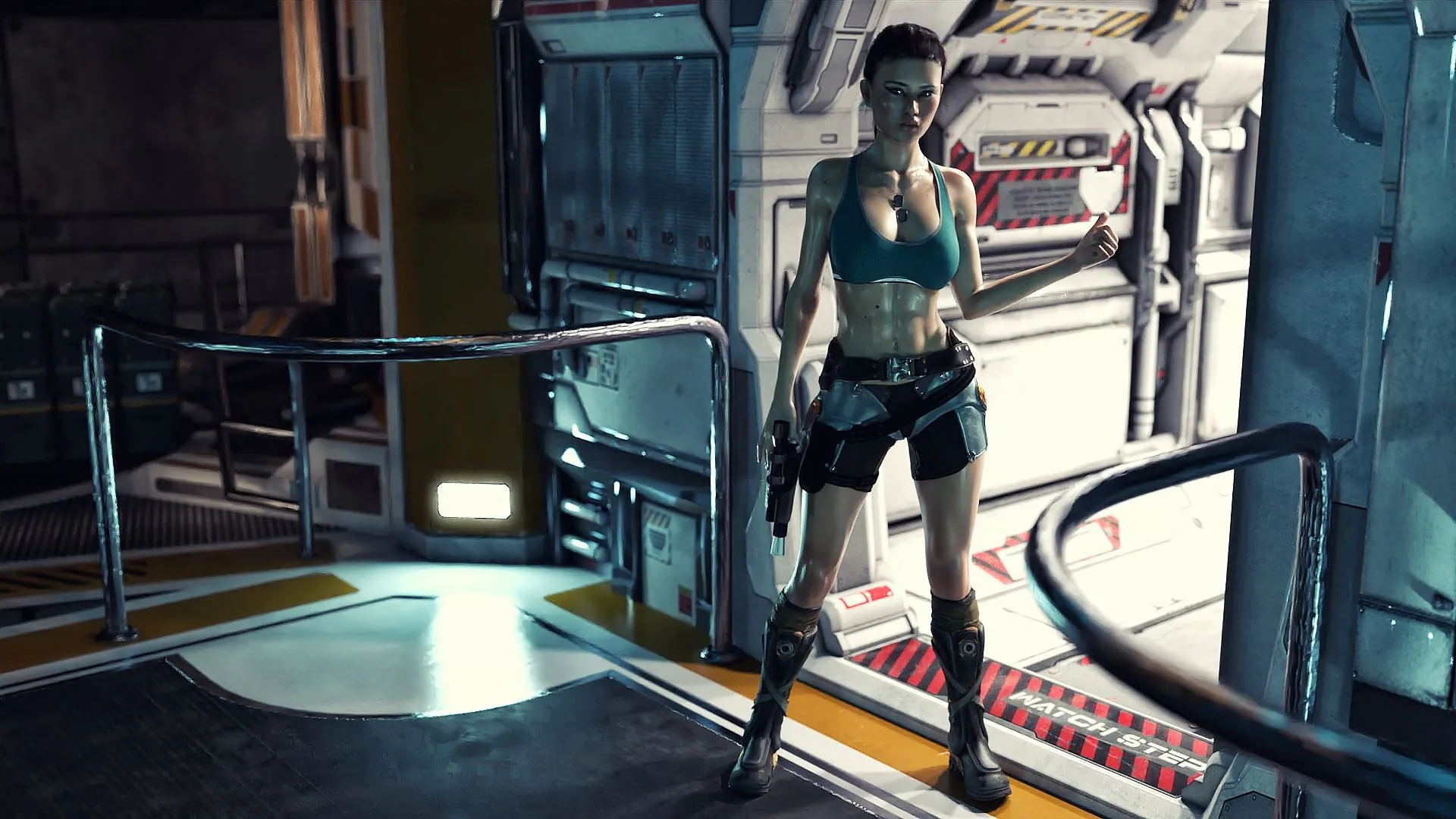
Friendship with Benefits
Play Friendship with Benefits
Friendship with Benefits Screenshots


Friendship with Benefits review
Explore the narrative-driven visual novel experience with compelling storytelling and character development
Friendship with Benefits stands out as a narrative-driven visual novel that combines engaging storytelling with character-driven gameplay. This indie title has garnered attention for its focus on meaningful relationships and emotional depth rather than superficial content. Whether you’re new to visual novels or a seasoned player, understanding what makes this game unique can help you decide if it’s worth your time. This guide covers everything from core mechanics to character arcs, providing insights into why players have praised its writing quality and emotional resonance.
Understanding the Game’s Core Mechanics and Gameplay
So, you’ve downloaded Friendship with Benefits, ready to dive into its story, but you’re wondering: how does this thing actually work? 🤔 If you’re new to the genre, the mechanics of a choice-based narrative game can seem mysterious. Unlike action titles where you press buttons to jump or shoot, here, your primary tool is your judgment. Your cursor becomes a moral compass, and every click can rewrite a character’s future.
Think of it less as a traditional “game” and more as an interactive story where you hold the pen. The core appeal lies in its interactive storytelling game design, where your presence is felt on every page. Let’s pull back the curtain and explore the brilliant, sometimes heart-wrenching, systems that make this experience so uniquely compelling.
How the Visual Novel Format Works
At its heart, Friendship with Benefits is a visual novel. But what does that mean, exactly? Imagine your favorite book coming to life with artwork, music, and voice acting, but where you get to decide what the protagonist says and does. You’ll spend most of your time reading beautifully written text on screen, accompanied by expressive character sprites, detailed backgrounds, and a soundtrack that sets the perfect mood for every scene.
The visual novel gameplay mechanics are elegantly simple, designed to keep you immersed in the narrative. You click or tap to advance the text, much like turning a page. During key moments, the game will pause and present you with a decision. These aren’t just cosmetic choices; they are the gears that drive the entire story engine. The game is built on the RenPy visual novel engine, a powerhouse in the narrative game world that developers love for its flexibility. This means smooth transitions, stable saving, and an interface that gets out of the way, letting the story take center stage.
From a player’s perspective, this format is wonderfully accessible. You don’t need lightning-fast reflexes, just your attention and empathy. I remember my first session; I was curled up with a coffee, completely losing track of time as I clicked through the initial chapters. The pacing is masterful, knowing exactly when to let a quiet, emotional moment breathe and when to hit you with a tense decision.
Here’s a quick breakdown of the key features you’ll interact with:
* Text Window: The main narrative and dialogue appear here. You control the speed.
* Character Sprites: Artwork of the characters that change based on their emotions (happy, sad, angry, etc.).
* Backgrounds & CGs: Stunning static artwork that sets the scene. Special “CG” images highlight pivotal story moments.
* Audio: A dynamic soundtrack and subtle sound effects that deepen immersion.
* Menu & Log: Easy access to save/load functions, settings, and a history log to reread past dialogue.
This foundation creates the perfect stage for the real star of the show: your choices. 🎭
Choice System and Branching Narratives
This is where Friendship with Benefits truly shines as a decision-based gameplay experience. The game presents a branching storyline system that is intricate and deeply rewarding. It’s not about “good” or “bad” endings in a simplistic sense, but about crafting a story that feels authentically yours, based on the values and relationships you choose to prioritize.
When a choice prompt appears, the clock isn’t ticking. The game gives you room to think. “What would I really do here?” or “What does my character want?” Each option feels weighty and nuanced. Do you offer blunt honesty to a friend in crisis, or gentle comfort? Do you pursue a romantic flirtation or reinforce a platonic boundary? The game rarely signposts where a path will lead, which makes every selection feel genuine and consequential.
Let me give you a concrete example from my playthrough. Early on, a friend confides in you about a career mistake. You’re given three options:
1. “That was a reckless move. You need to be more careful.”
2. “Everyone makes mistakes. What’s the plan to fix it?”
3. “I’m sure it’ll blow over. Want to get a drink and forget about it?”
In my first run, I chose option 2, aiming for supportive pragmatism. This strengthened that character’s trust in me, unlocking deeper, more vulnerable conversations later about their family pressures. On a replay, I chose option 1. The friend became defensive, creating a subtle rift. We remained friends, but that thread of easy confidence was severed, and a later subplot about them seeking my advice never triggered. Instead, a different character stepped into that narrative role. It was a brilliant demonstration of the choice-based narrative game philosophy: the story adapts around your personality.
The branching storyline system means no two playthroughs are identical. Minor dialogue changes, entirely different scenes, and alternative romantic or platonic resolutions are all on the table. This creates phenomenal replay value. You’ll find yourself saving before big decisions, not to “cheat,” but because you’re genuinely curious about the road not taken. The game’s save system is a blessing here, allowing you to create multiple timelines to explore.
Pro Tip: Don’t just quick-save! Create named save files at the start of each chapter or before major decisions. It’s like bookmarking potential futures, and it makes revisiting specific branching points a breeze.
To visualize how these branches can spread, consider this simplified map of a story arc:
| Your Key Decision | Immediate Character Reaction | Potential Long-Term Story Branch |
|---|---|---|
| Support Character A’s ambitious plan | They feel validated and excited. | Unlocks a collaborative project storyline, deepens your bond, but may alienate more cautious friends. |
| Urge Character A to be cautious | They feel doubted and slightly hurt. | They proceed alone, leading to a tension-filled arc where you can choose to rescue them or teach a hard lesson. |
| Remain neutral and change the subject | They are confused and seek advice elsewhere. | You are sidelined from this plot thread, but it creates space for another character’s subplot to develop more fully. |
This intricate web is what makes the interactive storytelling game experience so addictive. You’re not just watching relationships unfold; you’re architecting their very foundation. 🧩
Character Relationship Development
If the branching plot is the skeleton of the game, then character relationship progression is its beating heart. Friendship with Benefits understands that relationships aren’t built on grand declarations alone, but through a hundred small moments: a knowing joke, a kept secret, choosing to listen when you could walk away.
Every choice you make is silently tracked by the game’s relationship metrics. These are hidden from view—no clunky “+++ LOVE” meters here—which is a masterstroke. Instead, you see the results in the characters’ behavior. Remember a small detail you shared three chapters ago, and they might reference it, making the world feel alive and your connection real. Consistently choose sarcasm, and the group’s banter with you will become sharper and more cynical. Pursue a romantic interest with one character, and you might notice a different friend becoming subtly distant or protective.
This character relationship progression is fluid and organic. It’s not about picking the “correct” dialogue options to fill a bar. It’s about consistency of character. Are you the reliable rock of the group? The mischievous instigator? The empathetic listener? The characters will reflect your chosen role back at you. In one of my most memorable playthroughs, I focused entirely on being the group’s peacemaker, always soothing tensions. By the final act, characters started coming to me privately as their trusted mediator, unlocking resolution scenes that were completely absent from my more drama-prone playthrough.
The visual novel gameplay mechanics serve this development perfectly. A slight change in a character’s sprite—averted eyes, a softer smile, a tense posture—tells you more than any meter could. The writing does the heavy lifting, with dialogue options evolving based on your established rapport. Early on, you might have only formal or joking responses. As you grow closer, options become more intimate, vulnerable, or boldly flirtatious.
Here’s how this progression often manifests:
| Relationship Stage | Visual & Audio Cues | Gameplay Impact |
|---|---|---|
| Acquaintance | Polite dialogue, neutral sprite poses, generic background music. | Choices are limited to surface-level interactions. You unlock basic story paths. |
| Growing Friendship | Warmer expressions, use of nicknames, more personalized music themes. | Unlocks new, more personal conversation topics and choices. Characters may seek you out for side events. |
| Close Bond / Romance | Unique CG (special artwork) for key moments, intimate dialogue, shared jokes, character-specific emotional music. | Access to exclusive story branches, deep confessions, and narrative resolutions that define your shared ending. |
Balancing these relationships is part of the fun and the challenge. You can’t be everything to everyone, and the game doesn’t expect you to be. Your choices will naturally bring you closer to some characters and create distance from others. This isn’t a failure; it’s a feature. It makes each storyline feel unique and personally meaningful. The decision-based gameplay experience culminates in a finale that feels like a direct reflection of the emotional world you’ve built, cementing Friendship with Benefits as a powerful journey defined not by winning, but by connecting. 💖
Friendship with Benefits represents a standout entry in the visual novel genre, distinguished by its commitment to meaningful storytelling and authentic character development. The game’s choice-based mechanics empower players to shape their experience while navigating complex relationship dynamics with emotional depth. What sets this title apart is its focus on genuine narrative quality and character arcs that resonate long after completion. Players consistently praise the writing, character consistency, and the way the game handles mature themes with nuance rather than exploitation. Whether you’re drawn to visual novels for their storytelling potential or seeking an experience that challenges typical genre conventions, Friendship with Benefits delivers on multiple fronts. The combination of engaging mechanics, compelling characters, and branching narratives creates a replayable experience that rewards exploration of different story paths. For those interested in indie games that prioritize narrative substance and emotional authenticity, this title merits serious consideration.