
Happy Summer
Play Happy Summer
Happy Summer Screenshots
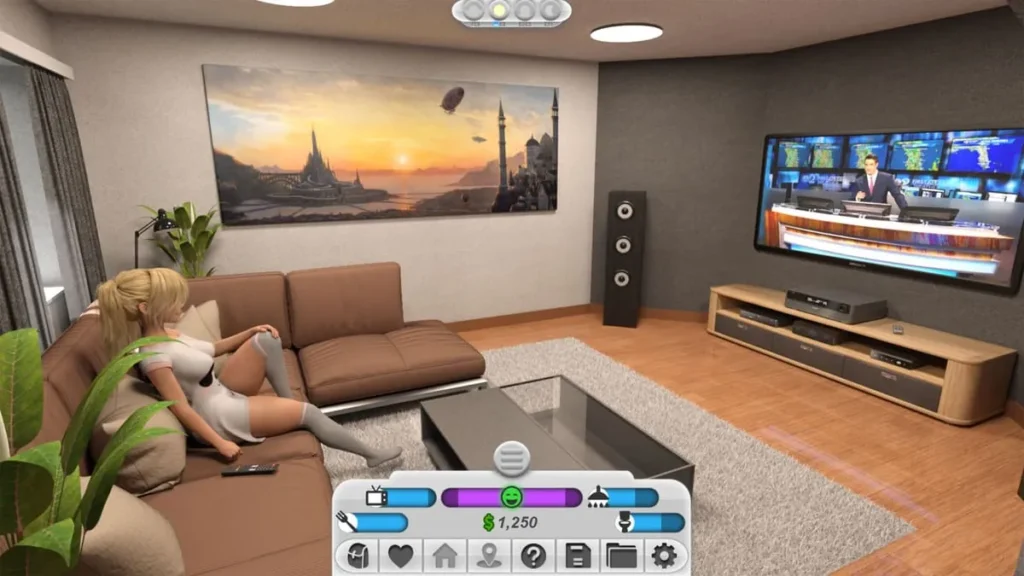

Happy Summer review
Honest impressions, gameplay tips, and what to expect from Happy Summer
Happy Summer is a story-driven game that has earned a loyal fan base thanks to its mix of slice-of-life storytelling, character-focused progression, and slow-burn relationship building. If you have seen screenshots or forum threads and wondered what Happy Summer is really about, this guide walks you through the experience from a personal, player-focused perspective. I’ll share what surprised me when I first tried it, what keeps players hooked, and some practical tips so you can decide if this summer adventure belongs on your must-play list.
What Is Happy Summer and Why Do Players Talk About It So Much?
So, you’ve been hearing whispers about Happy Summer in gaming forums or from friends, and you’re wondering what all the fuss is about. Let me tell you, as someone who’s spent a whole virtual summer soaking in its vibe, I get it. The buzz is real. At its heart, what is Happy Summer? It’s a beautifully crafted, narrative-driven digital experience that captures the fleeting magic of a long summer vacation. Think of it less as a traditional “game” with scores and bosses, and more like stepping into a coming-of-age story where you hold the pen. Your days are filled with sunshine, quiet conversations, and the slow, satisfying unraveling of lives intertwined. It’s a unique little corner of the gaming world, and I’m here to give you the full scoop. ☀️
Happy Summer Game Overview and Core Concept
If you’re looking for a Happy Summer overview, here’s the simplest way to put it: this is a story-first adventure built around the passage of time. You follow a main protagonist (often customizable in spirit, if not always in looks) through a series of in-game days during one pivotal summer. The core loop is deceptively simple but deeply engaging. Each morning, you wake up and choose how to spend your hours. Will you visit the local park? Hang out at the retro diner? Or maybe just stay home and see who drops by?
The genius of the Happy Summer game is in how it blends visual novel-style storytelling with light life-sim elements. You’re not just clicking through static dialogue. You’re managing your time, deciding which locations to explore and when. A character might only visit the library in the afternoon, or a special event might only trigger at the beach at sunset. This adds a wonderful layer of strategy and discovery to the relaxed pace. It’s about observing routines and making intentional choices to deepen your bonds with the cast.
Gameplay is focused almost entirely on dialogue, relationship-building, and triggering narrative events. There are no quick-time events demanding lightning reflexes, no combat systems to master. The challenge—and the joy—comes from curiosity and patience. Want to see a different side of a character? You might need to find them when they’re alone, or after you’ve learned a specific piece of their history. It’s a slow-burn experience where the reward is emotional payoff, not a power-up.
To break it down, here are the core things that define the Happy Summer experience:
* A Story-First Design: The narrative is the main attraction, with your choices shaping relationships and outcomes.
* A Captive Summer Setting: The entire journey takes place within a single, meaningful season, giving it a focused, nostalgic feel.
* Deep Character Focus: Getting to know everyone is the primary goal, with each person having their own route and secrets.
* Replayable Scenes: The time-based triggers mean you can play multiple “summers” and still discover new conversations and events.
Story, Setting, and Main Characters in Happy Summer
The Happy Summer story isn’t about saving the world from an apocalyptic threat. Its stakes are beautifully human and relatable. It’s about reconnecting with old friends, navigating budding romances, dealing with family expectations, or simply figuring out what you want from life before summer ends and real life resumes. The tone is a perfect blend of wistful, hopeful, and relaxing, often punctuated by moments of genuine humor and warmth. 🏖️
The setting is a character in itself. You’ll explore a sun-drenched neighborhood, a cozy home, a breezy boardwalk, and other familiar hangouts. These aren’t vast open worlds, but intimate, detailed spaces you return to again and again. This repetition is key—it builds a sense of routine and belonging. The corner store in the morning feels different from the corner store at night, both in ambiance and in who you might find there.
And that brings us to the soul of the experience: the Happy Summer characters. This isn’t a cast of dozens; it’s a small, carefully crafted group of individuals, each with their own schedules, personalities, and personal journeys. You might have the childhood friend who’s acting distant, the optimistic new neighbor, the seemingly aloof bookworm at the library, or the reliable sibling figure. The appeal comes from slowly peeling back their layers. At first, they are just faces in locations, but soon you learn their fears, dreams, and what they do when they think no one is watching.
Let me share a quick story from my first playthrough. I kept seeing a quiet character, Leo, sitting on the same park bench every afternoon. We’d exchange a few polite words, and that was it. I assumed that was his only spot. On a whim, I decided to visit the old town bridge late one evening, a place I rarely went. To my surprise, there he was, staring at the stars. That single conversation, triggered by being in the right place at the wrong (or right) time, completely changed my understanding of him. It unlocked a whole new thread of his story that I would have missed entirely. That moment of discovery is the magic of Happy Summer.
To help you get acquainted, here’s a quick look at the kind of characters you might meet:
| Character Archetype | Common Hangouts | What Makes Them Engaging |
|---|---|---|
| The Old Friend | Your house, the local soccer field | A shared history full of unspoken tension and nostalgia. |
| The Newcomer | The diner, the beach | Offers a fresh perspective on the town and its people. |
| The Family Anchor | Home, the market | Provides grounding and subplots about home life. |
| The Secretive Soul | Library, secluded outdoor spots at odd hours | Requires effort and timing to unlock, making their trust feel earned. |
Why Happy Summer Stands Out from Similar Narrative Games
The market isn’t short on story-heavy, choice-driven games. So, is Happy Summer worth playing amidst all that competition? In my honest opinion, absolutely—but it carves out its own special niche. Compared to other narrative adventures, its focus is remarkably specific and potent.
First, the summer-only time frame is a masterstroke. It creates a natural, ticking clock—not one that induces stress, but one that amplifies meaning. Every interaction feels a bit more precious because you know the season, and possibly these connections, have an expiration date. It taps directly into that universal feeling of bittersweet August nostalgia.
Secondly, its progression feels deliberately gradual and almost episodic. You live life one day at a time, with minor choices building toward major revelations. It’s less about branching into wildly different plotlines instantly and more about gently steering the tone and depth of your relationships. This builds a powerful sense of routine that makes the world feel lived-in.
Finally, the focus on character routes through repeated interaction is key. In many games, you choose a love interest or ally early on. In Happy Summer, your route is defined by your daily actions. By consistently choosing to spend time with certain characters in specific ways, you naturally drift into their storyline. It feels organic, like a real friendship or romance, rather than a menu selection.
My personal take: You will adore the Happy Summer game if you love slowing down, getting invested in fictional lives, and experimenting with “what if I go here now?” You’re the type of player who reads every book description in an RPG and chats with every NPC just to hear their story. This game is made for you.
On the flip side, if your ideal gameplay involves fast-paced action, complex mechanical systems, or constant high-stakes drama, you might find the pace too slow. This is a quiet game about emotional resonance, not adrenaline.
So, to wrap up this first look: Happy Summer is a niche, but profoundly memorable, narrative experience. It’s a summer vacation in a box, a chance to live a different life filled with sunlight, meaningful conversations, and the gentle passage of time. It stands out by committing fully to its relaxed, character-driven vision. If that sounds like your kind of escape, then you’re in for a truly special journey. 🍹
Happy Summer is one of those games that quietly pulls you in with its relaxed pace, familiar locations, and character-focused storytelling. Once you understand that it is more about daily choices, conversations, and slowly unfolding scenes than quick action, it becomes much easier to appreciate why so many players return to it. If you enjoy story-driven experiences where you can experiment with different approaches and see how scenes change over time, Happy Summer is well worth a try. Give yourself a few in-game days to settle into the routine, explore different routes, and see whether this long, lazy summer ends up being as memorable for you as it has been for many other players.