
Summertime Saga
Play Summertime Saga
Summertime Saga Screenshots











Summertime Saga review
Explore gameplay, characters, and unique features of Summertime Saga
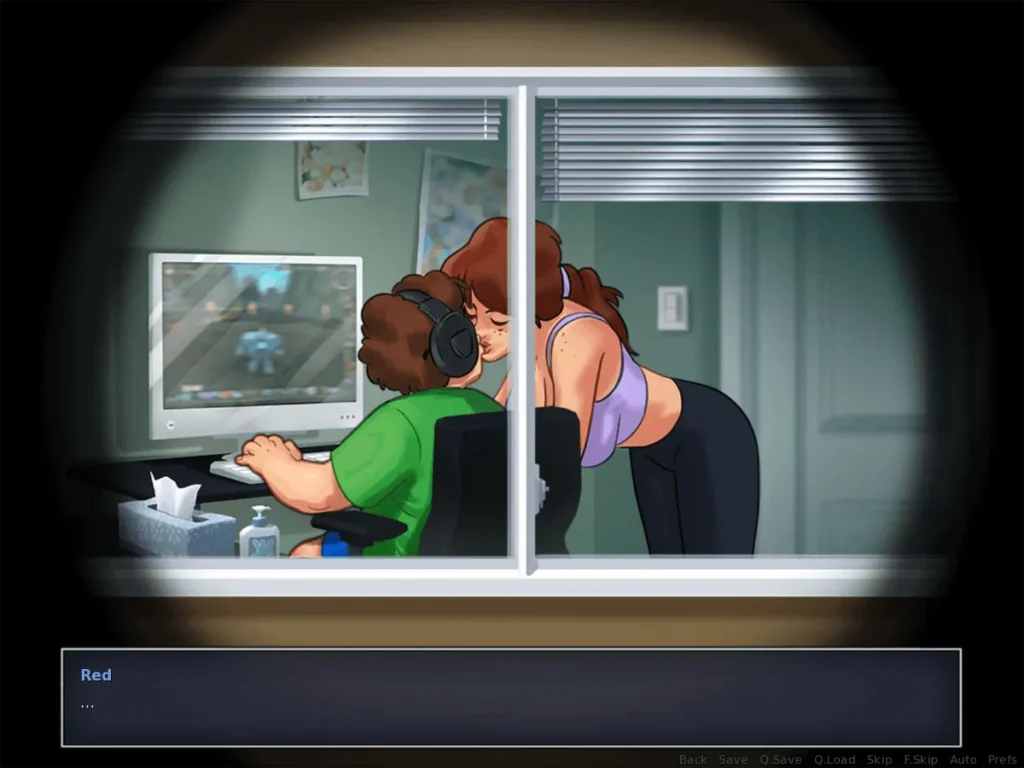
Summertime Saga is a popular adult-themed dating sim game that combines rich storytelling with open-world exploration and character-driven gameplay. Centered on a young man navigating college life and uncovering mysteries tied to his late father, the game offers a unique blend of romance, adventure, and mini-games. This guide dives into the core aspects of Summertime Saga, providing insights into its gameplay, characters, and what makes it stand out in the genre.
Understanding Summertime Saga: Gameplay and Features
Ever downloaded a dating sim expecting a linear path to romance, only to find yourself running a bakery, solving a mystery, and learning to rap, all before lunch? 🤯 That’s the delightful chaos of Summertime Saga gameplay. It doesn’t just hand you a checklist of love interests; it drops you into a living, breathing town brimming with secrets, stories, and surprises around every corner.
This isn’t your average visual novel. It’s a sprawling open world dating sim fused with point-and-click adventure, packed with activities that make your character’s growth feel earned. If you’re tired of games that hold your hand, you’re in for a treat. Let’s dive into what makes this experience so uniquely captivating.
What Makes Summertime Saga Unique? 🎯
Most narrative-driven games follow a single, dominant storyline. Your journey in Summertime Saga, however, is what you make of it. The core non-linear storytelling game structure is its superpower. Sure, there’s a central plot involving family debt and mysterious circumstances, but it often feels like a backdrop to the vibrant lives of the town’s residents.
You might start your day intending to progress the main story, but then get sidetracked helping a friend with her tech project, beating the local bully at arm wrestling, or simply exploring a new location that just unlocked. I remember one playthrough where I became so invested in a particular character’s side story that I completely forgot about the “urgent” main quest for several in-game weeks! This freedom creates a powerful sense of agency. You’re not just following a story; you’re crafting your own from a web of interconnected narratives.
This is all powered by its interactive dialogue game foundation. Every conversation is a choice. Your responses can open up new story branches, unlock special scenes, or shut down opportunities entirely. Building relationships requires paying attention, remembering personal details, and choosing your words carefully. It turns every chat into a small puzzle, where the reward is deeper connection and progression.
Core Gameplay Mechanics Explained 🕹️
At its heart, Summertime Saga gameplay is built on a classic point-and-click interface. You navigate the town by clicking on locations, interact with objects and people, and manage your inventory. Your primary resources are Time, Money, and Stats (like Strength, Intelligence, and Charisma).
The brilliant twist is the Summertime Saga daily events system. Each day, your energy limits you to completing just three significant events. This could be a story scene, a job shift, a skill-building session, or a special encounter.
This limit is the game’s secret weapon. It forces you to strategize. Do you work for cash, train at the gym to boost your Strength, or spend time with someone to deepen your relationship? You can’t do it all, and that makes every choice meaningful.
This is where true Summertime Saga character development begins. Your stats aren’t just numbers; they are gates to new interactions and story paths. You might need a certain Intelligence level to help a character with her homework, or enough Charisma to convince someone to trust you. Improving yourself is not optional—it’s essential to unlocking the full tapestry of the game’s world.
To visualize how these core systems feed into your experience, here’s a breakdown:
| Gameplay Feature | How It Works | Impact on Player Experience |
|---|---|---|
| Daily Event Limit | Three major actions allowed per in-game day. | Adds strategic layer and pacing, encouraging thoughtful daily planning and resource management. |
| Stat-Based Progression | Improving Strength, Intelligence, Charisma, etc., through specific activities. | Gates content and provides a tangible sense of growth; your efforts directly unlock new story and dialogue options. |
| Point-and-Click Exploration | Click to move between hand-drawn locations and interact with the environment. | Fosters a sense of discovery and player-driven investigation, making the world feel interactive and full of secrets. |
| Dialogue Trees & Relationship Meters | Conversation choices affect character affinity and story branches. | Creates meaningful consequences for player choices, enhancing replayability and role-playing depth. |
Exploring the Open World and Mini-Games 🗺️🎮
The town in Summertime Saga is your playground. From the suburban streets to the downtown plaza, the beach, the school, and various quirky businesses, every location has its own rhythm and cast of characters. The joy comes from exploration. Talking to everyone, clicking on suspicious objects, and returning to places at different times of day often yields new scenes and opportunities. This open world dating sim design means there’s always something to find, making routine errands feel like potential adventures.
But what truly brings this world to life are the Summertime Saga mini-games. These aren’t mere distractions; they are the primary engines for Summertime Saga character development and income generation.
- Skill Building: Want to get stronger? Hit the gym for a weight-lifting mini-game. Need smarter replies? Study at the library or use your computer. These repetitive but quick activities make stat improvement engaging and visual.
- Job & Hustle: Work at the bakery to master a pizza-making rhythm game. Try your hand at fishing for extra cash. Each job has its own unique mechanical challenge, breaking up the narrative and testing your reflexes.
- Story & Social Challenges: Some of the best Summertime Saga mini-games are woven directly into the plot. You might engage in a rhythm-based rap battle to win a contest or play a strategic card game to pass the time with a friend. These moments use gameplay to reinforce the story, making your victories within them feel personally rewarding.
The variety is staggering, and they perfectly complement the interactive dialogue game core. You don’t just tell a character you’re becoming a better rapper; you prove it through gameplay. This fusion of narrative and activity is what makes the progression loop so satisfying. You work a shift at the bakery (mini-game) to earn money, use that money to buy new clothes (stat boost), then use your improved look to impress someone in a conversation (dialogue choice). Every system connects.
Ultimately, Summertime Saga gameplay succeeds by giving you a sandbox full of tools and stories, then stepping back. The non-linear storytelling game approach respects your curiosity. The strategic layer of Summertime Saga daily events makes your time valuable. And the rich suite of Summertime Saga mini-games ensures that growing your character’s skills, wealth, and relationships is always an active, engaging process. It’s a world that invites you to live in it, not just pass through, and that is its greatest achievement.
Summertime Saga offers a rich, immersive experience that blends storytelling, character interaction, and engaging gameplay mechanics in a unique open-world setting. Whether you enjoy exploring diverse characters, solving mysteries, or developing your protagonist through mini-games, this game provides a compelling adventure. Dive into Summertime Saga today and discover the layers of narrative and gameplay waiting for you.