Tales from the Unending Void
Play Tales from the Unending Void
Tales from the Unending Void Screenshots




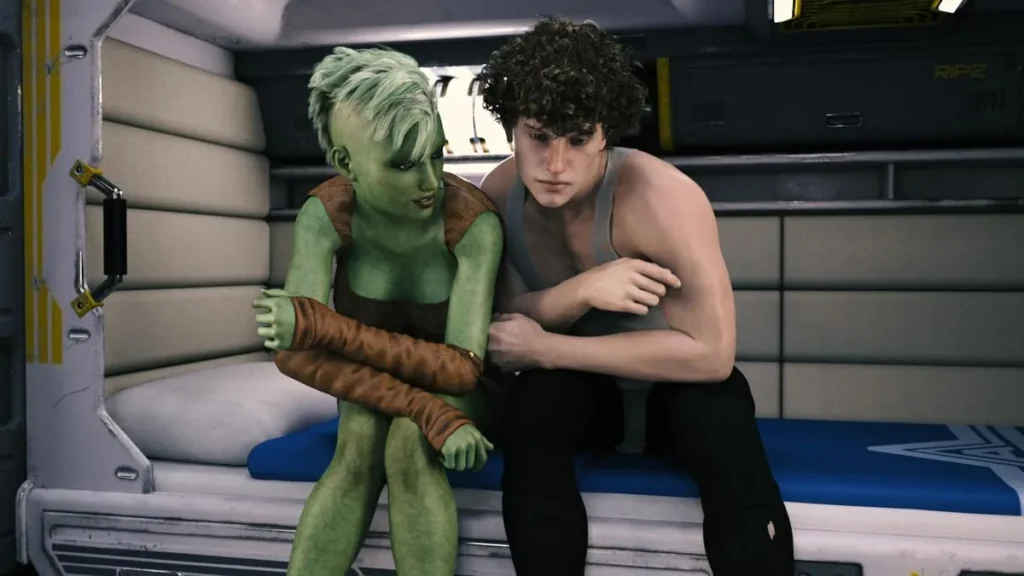







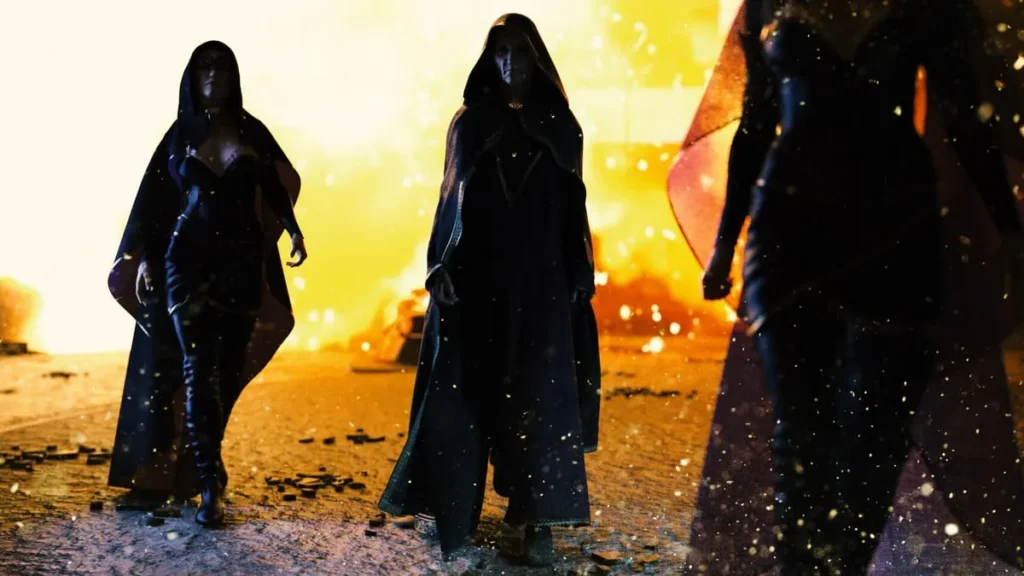

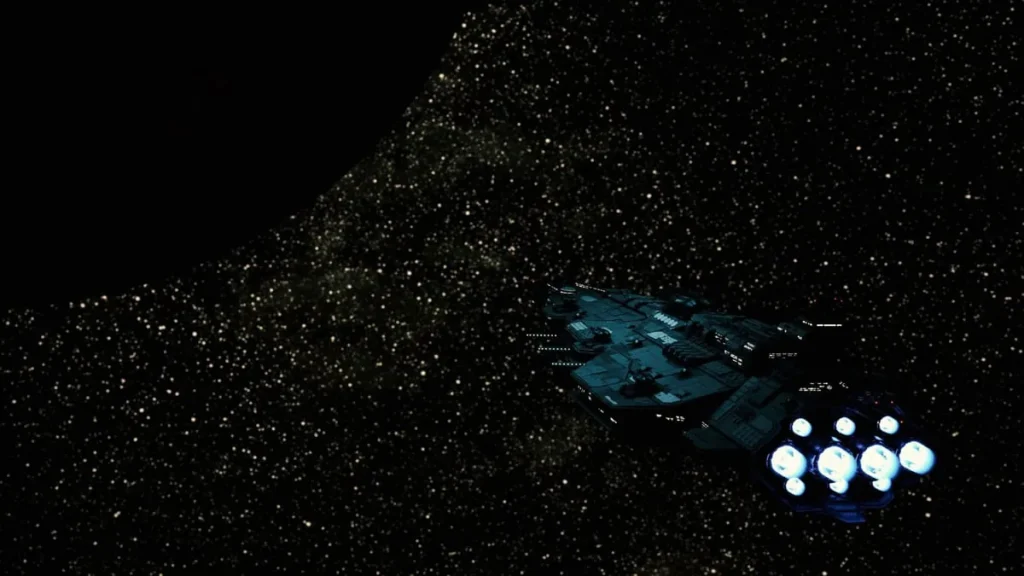

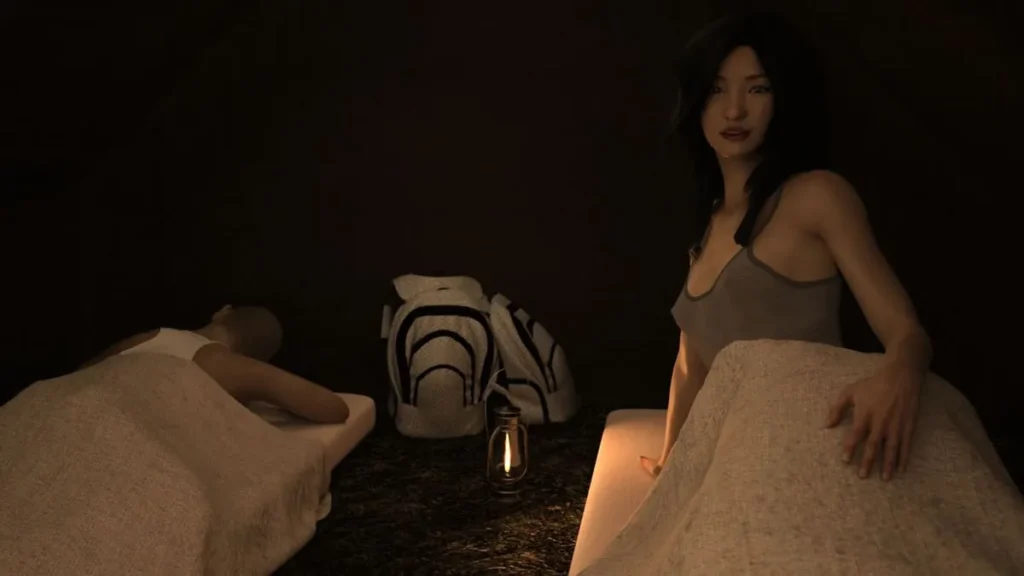
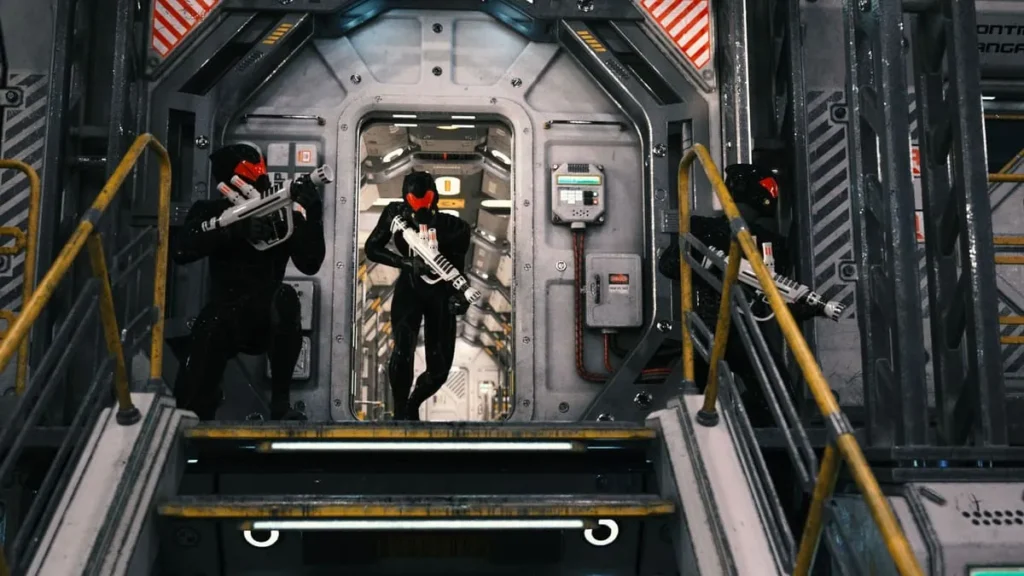
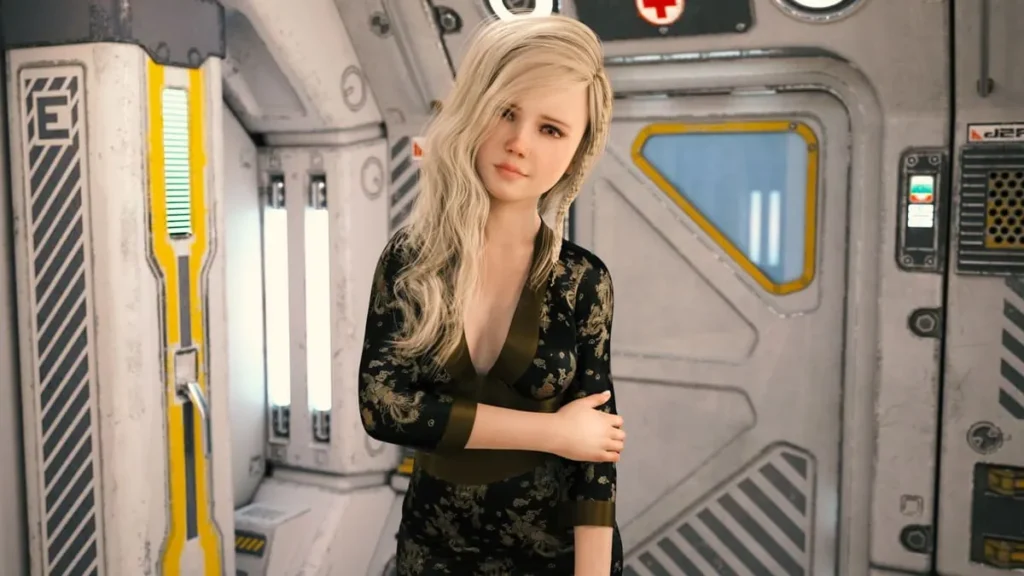
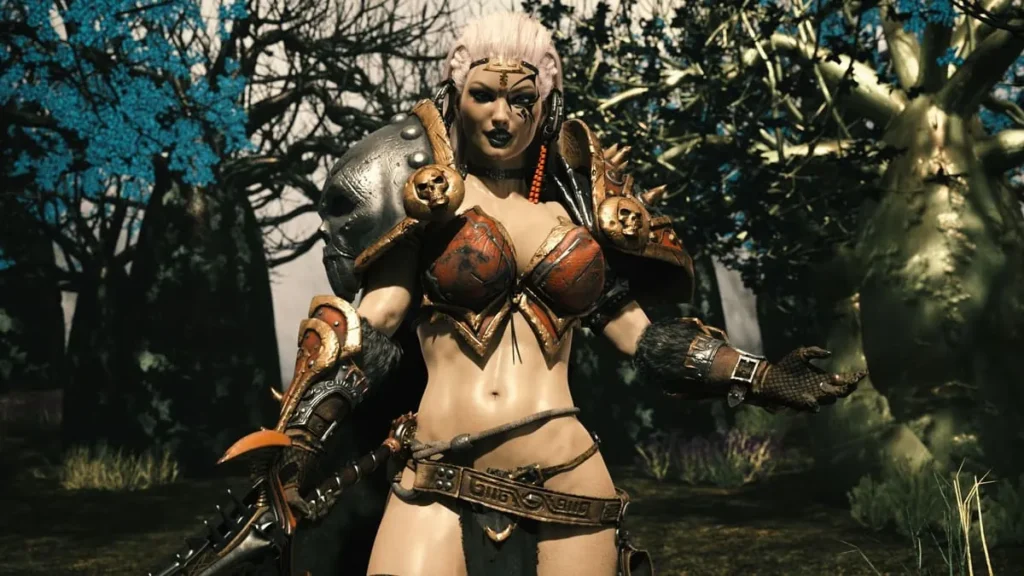
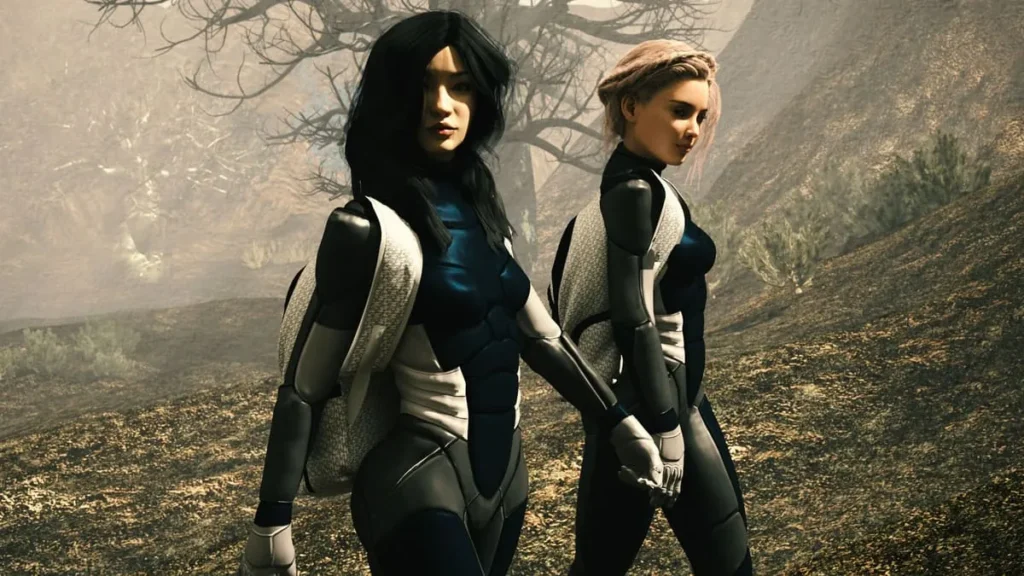
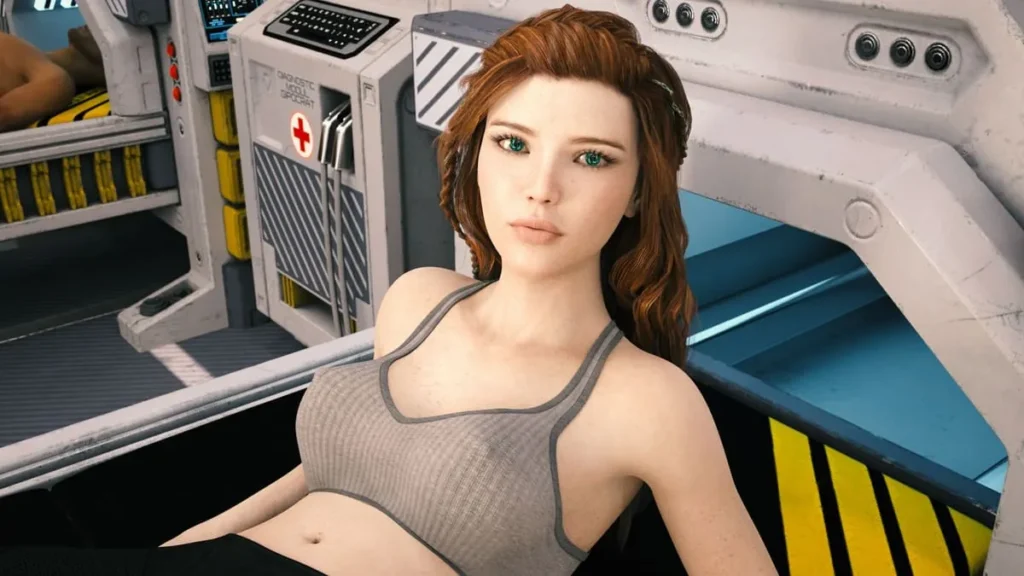
Tales from the Unending Void review
An in-depth, player-focused breakdown of Tales from the Unending Void
Tales from the Unending Void is a narrative-driven adult visual novel that blends spacefaring adventure with branching relationship routes and episodic releases. In this guide I walk you through the game’s core premise, notable characters, how progression and choices affect outcomes, and practical tips I learned while replaying multiple episodes to unlock all routes. Whether you’re replaying to complete a gallery or deciding which version to buy, this article gives the hands-on insight you need to get the most from Tales from the Unending Void.
Story and Setting: What Makes Tales from the Unending Void Unique
If you’re diving into the vast sea of narrative-driven games, you’ll quickly find that Tales from the Unending Void stands apart. It’s not just another space opera; it’s a character-driven journey where your choices genuinely shape the relationships and story around you. At its heart, the Tales from the Unending Void story is a masterclass in balancing grand, cosmic mystery with intimate, personal drama. You don’t just watch a plot unfold—you live it through a crew that feels disconcertingly real.
“I started playing for the sci-fi, but I stayed for the characters. The writing makes you care about every single interaction. It’s the first game in years where I’ve felt truly invested in my choices.” – A longtime player on the community forums.
This player sentiment hits the nail on the head. The magic of this game lies in how its worldbuilding and character arcs are inextricably linked. Let’s jump into the specifics of what makes this universe so compelling. 🚀
Overview of the narrative arc and episodic structure
Understanding the Tales from the Unending Void episodes is key to appreciating its narrative craft. The game is released in a seasonal model, with each season comprising several distinct chapters. This isn’t just a marketing gimmick—it fundamentally shapes the storytelling. Early Tales from the Unending Void episodes often have a slower, more deliberate pace, allowing you to settle into your role as the protagonist and build foundational bonds with your crew. Think of it as the calm before the stellar storm. ⏳
The overarching plot follows you, a customizable protagonist, as you navigate a galaxy filled with ancient secrets, political intrigue, and immediate dangers. Without spoiling too much, the Tales from the Unending Void plot summary centers on the discovery of a profound mystery hidden within the eponymous “Unending Void,” a region of space that defies known physics. This discovery pulls you and your misfit crew into a conflict that scales from back-alley deals to threats against galactic civilization itself.
The beauty of the episodic structure is its rhythm. Each chapter typically blends:
* Plot Advancement: A main mission that pushes the central mystery forward.
* Character Development: Side scenes and conversations that deepen relationships.
* Worldbuilding: Explorations of new locations or factions that expand the lore.
This structure means you’re never too far from a poignant character moment, even in the midst of a high-stakes action sequence. The writing expertly uses the downtime between major events to let relationships breathe and evolve, making the big payoffs later feel earned and impactful. 💫
Key factions, locations, and worldbuilding
The Tales from the Unending Void worldbuilding is meticulous, creating a lived-in galaxy that feels both fantastical and believable. It’s a setting where the politics are as complex as the star maps. The TFTUV lore isn’t just background fluff; it’s the engine for conflict and character motivation.
Major Factions: Your crew will constantly interact with, and often get caught between, several key powers:
* The Galactic Concord: The sprawling, often bureaucratic governing body. They represent order, but it’s a stifling, corrupt order that many chafe against.
* The Void Corsairs: The charming scoundrels and outright pirates of the fringe. They offer freedom but at the cost of lawlessness and constant danger.
* The K’thari Collective: A mysterious, ancient alien species with their own inscrutable agendas tied to the Void’s secrets. They are a source of both awe and terror.
Iconic Locations: The setting shifts from the claustrophobic corridors of your ship to sprawling alien landscapes. A few key places become narrative anchors:
* The Star-Wake: Your ship. This is more than a vehicle; it’s your home and the primary hub for all character-driven scenes. Heart-to-hearts in the mess hall, strategic planning on the bridge, and romantic moments in personal quarters all happen here.
* Port Omega: A bustling, gritty space station that serves as a recurring neutral ground. It’s where you pick up jobs, hear rumors, and see the galaxy’s diverse inhabitants collide.
* The Sylvan Ring: A breathtaking, bio-luminescent planetary system that showcases the game’s artistic beauty and often holds key to ancient mysteries.
This rich tapestry supports both the plot and the characters. A mission to a Concord research station isn’t just about fetching data; it’s an opportunity for a crewmate with a grudge against the authorities to confront their past. The worldbuilding serves the character arcs, and vice versa. 🌌
To visualize how these elements connect the crew to the wider plot, here’s a breakdown of core relationships and their narrative functions:
| Character | Primary Role | Key Motivations & Connection to Lore |
|---|---|---|
| Kaelen (The Pilot) | Your loyal second-in-command, the heart of the crew. | A former Corsair seeking redemption; his knowledge of the fringe is vital for navigating hostile space. |
| Dr. Lin (The Scientist) | The intellectual cornerstone, obsessed with the Void. | Her research is directly tied to the central mystery; her personal quest for knowledge can conflict with crew safety. |
| Rook (The Mercenary) | Muscle with a moral code, and a potential romance option. | A veteran of faction wars; his contacts and combat skills are essential, but his temper can create diplomatic incidents. |
| Zora (The Mystic) | Enigmatic guide with ties to the K’thari. | Her unique perception of the Void makes her a key to understanding it, but her allegiances are constantly in question. |
How tone and themes shape player choices
This isn’t a grimdark saga. The tone of Tales from the Unending Void is a carefully blended cocktail. One moment you’re sharing a witty, sarcastic jab with Kaelen in the cockpit (the humor is genuinely funny, not forced), and the next, you’re navigating a tense, emotional confrontation with a crewmate about trust and betrayal. 😄 → 😢 This tonal range makes the world feel authentic. Life in space isn’t all phaser fights and black holes; it’s also boring jumps, inside jokes, and the quiet anxiety of the unknown.
This tone directly feeds into the game’s central themes, which are the true guides for your choices. You’re not just choosing “Paragon” or “Renegade” dialogue options. You’re making decisions based on:
- Identity: Who are you, as a captain and a person? Are you a pragmatist who puts the mission first, or an idealist who protects your family at all costs? The game constantly asks you to define this.
- Exploration vs. Security: Do you risk a dangerous jump into uncharted space for potentially revolutionary data, or play it safe for the sake of your crew? These choices have tangible consequences on resources, crew morale, and story branches.
- Interpersonal Dynamics: This is the big one. Every major choice is filtered through your relationships. Will you side with Dr. Lin’s reckless scientific curiosity, or Rook’s cautious protectiveness? Choosing one can strengthen your bond with them while creating friction with another.
For example, in a mid-season chapter, you might discover a compromised Corsair vessel. The “plot” choice is simple: loot it for supplies, help them, or report them to the Concord. But the character choice is complex. Looting it aligns with Rook’s practical mindset but horrifies the more compassionate Kaelen. Helping them might please Kaelen but jeopardize your standing with the Concord, worrying Dr. Lin about future research access. The game brilliantly makes you weigh the strategic benefit against the emotional cost.
This is where the Tales from the Unending Void characters truly shine. They remember your decisions, and their dialogue, loyalty, and even availability for future missions shift based on a complex web of trust. A slow start in early episodes is a deliberate investment in making you care, so that when you face these tough calls later, there’s real weight behind them. You’re not managing statistics; you’re nurturing—or damaging—relationships. ❤️🩹
The episodic release schedule actually enhances this. The wait between chapters mirrors the passage of time in-universe, letting you sit with the consequences of your choices. It builds anticipation and allows the community to theorize about the TFTUV lore, which in turn deepens your own engagement. You return to the next chapter not just to see what happens next in the Tales from the Unending Void story, but to see how your digital friends are doing after your last tough decision.
Ultimately, the uniqueness of Tales from the Unending Void lies in its perfect alchemy. It takes a foundational sci-fi plot, roots it in impeccable worldbuilding, and then makes it all matter through the lens of deeply human (and alien) characters. Your journey through the Unending Void is, at its core, a journey with the people beside you. Every star system explored and every mystery uncovered is made richer by the family you build along the way. That’s the secret sauce, and it’s a recipe for an unforgettable narrative experience. ✨
Tales from the Unending Void offers a layered, episodic visual novel experience with a strong focus on character interactions and branching outcomes. By understanding the story structure, using deliberate save management, and following targeted route tips, you can systematically unlock galleries, codex entries, and alternate scenes. Community channels and extended builds add extra content and support; staying current with official updates helps avoid technical snags. If you enjoyed this guide, try the playthrough checklist and join the game’s community to share tips and discoveries.