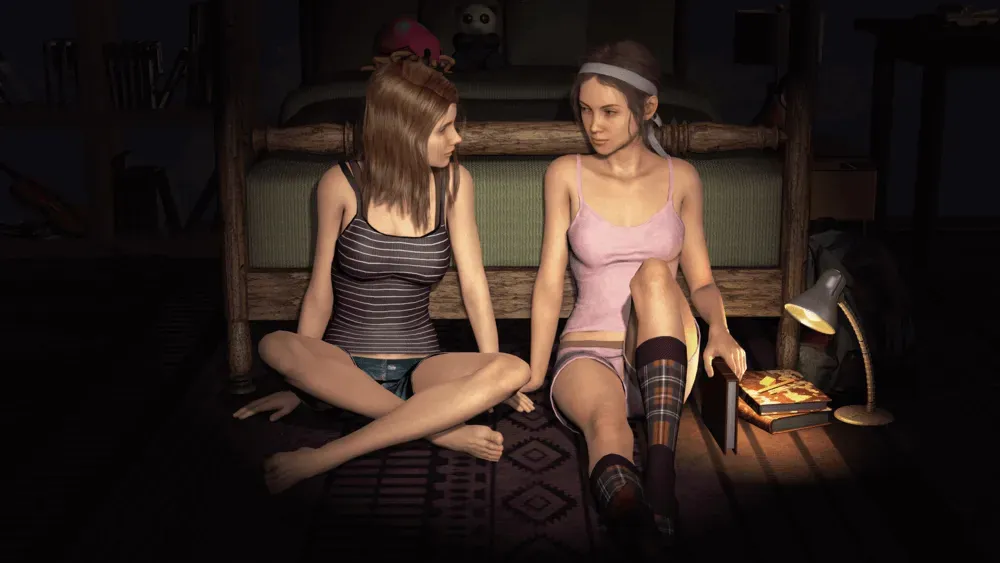
The Entrepreneur
Play The Entrepreneur
The Entrepreneur Screenshots






















The Entrepreneur review
Explore the choice-driven adventure that combines business strategy with compelling storytelling
The Entrepreneur is a choice-driven adventure game that immerses players in a dynamic world where decisions shape relationships, rivalries, and narrative outcomes. In this game, you take on the role of a college student determined to revive his late father’s bar while navigating complex social dynamics, business challenges, and personal growth. The experience blends drama, humor, mini-games, and romance elements, creating a multifaceted gaming experience where your choices carry real consequences. Whether you’re drawn to narrative-heavy games or enjoy building relationships through meaningful decisions, The Entrepreneur offers an engaging journey filled with high stakes and compelling character interactions.
Understanding The Entrepreneur: Game Overview & Core Mechanics
So, you’ve booted up The Entrepreneur, ready to dive in, but you’re wondering what you’ve actually signed up for. Is it a business sim? A dating sim? A drama-filled soap opera? 🤔 The beautiful, slightly chaotic answer is: it’s all of the above, masterfully woven into a single, gripping experience. This isn’t your typical click-through story; it’s a choice-driven adventure game that puts you in the driver’s seat of both a failing business and a tangled personal life. Every decision, from what to stock behind the bar to what to say to a heartbroken friend, ripples out to shape your world.
At its heart, The Entrepreneur is a visual novel gameplay experience with depth. You play as a college student who inherits his father’s dilapidated bar, The Oakwood. Your mission is simple on paper: revive it. But the path to success is paved with complex relationships, fierce rivalries, personal demons, and romantic possibilities. Forget passive storytelling; here, you are the author. This chapter will break down exactly how the game works, why its systems are so compelling, and how it balances spreadsheets with heartbreak ledgers.
What Makes The Entrepreneur a Unique Choice-Driven Experience?
Most games tell you a story. The Entrepreneur asks you to build one, brick by emotional brick. What sets it apart is the sheer weight given to your agency. You’re not just making “good” or “evil” choices to see a morality meter shift. You’re making human choices with messy, often unforeseen, consequences.
I remember one of my first playthroughs. Early on, an old family friend, a gruff but kind supplier named Marcus, offers you a deal on premium whiskey. It’s slightly shady—a “fell off the truck” kind of special. You need the profit margin, badly. The game doesn’t flash a big “THIS WILL HAVE CONSEQUENCES” warning. It just presents the choice: take the deal and boost your short-term cash, or refuse on principle.
I took the deal. 🤷♂️ Fast forward a few in-game weeks. My bartender, Chloe—who has a fiercely strong moral compass—overheard me arranging the pickup. It didn’t come up immediately in a dramatic confrontation. Instead, I noticed her “Trust” stat began to subtly decay. She started giving shorter answers, was less likely to share her own problems, and her efficiency at work dipped. By the time I connected the dots, our relationship was frosty, and it took multiple, careful choices to repair the damage. That’s the magic. The game operates on a consequence system gaming philosophy where decisions simmer and boil over in organic, believable ways.
This creates a truly branching narrative game. Your story with Chloe, with Marcus, with your rival bar owner across the street, becomes uniquely yours. Did you invest in live music to attract a young crowd, or focus on quiet ambiance for the older regulars? That decision will affect which characters frequent your bar, what gossip you hear, and even which romantic partners find your establishment appealing. The world reacts to you, making it a profoundly immersive relationship building game.
Tip: Don’t try to “game” the system on your first playthrough. Play intuitively, as you would in real life. The most rewarding stories come from embracing your mistakes and living with the outcomes.
The visual novel gameplay format is perfect for this. By focusing on narrative presentation—beautiful character art, evocative backgrounds, and a strong soundtrack—the game invests all its energy into the characters and your interactions with them. It’s less about reflex-based skill and more about emotional and strategic intelligence. You read situations, manage resources (both financial and emotional), and navigate social landscapes.
Core Gameplay Mechanics and Decision Systems
Let’s get under the hood. The Entrepreneur game mechanics are a brilliant blend of intuitive choice-making and deeper, interconnected systems. It’s easy to pick up but has layers of strategy that reveal themselves over time.
The core loop is elegant: you manage your bar’s operations during the day (making business decisions, handling supplies, upgrading equipment) and then interact with a rich cast of characters in the evening (building relationships, uncovering story threads, pursuing personal goals). These two halves are not separate; they constantly feed into each other. A successful business event might unlock a new story scene with a character, and resolving a character’s personal issue might bring them on board as a valuable employee or ally.
Here are the key features that define this experience:
- The Dialogue Wheel & Timed Choices: Conversations are your primary tool. You’ll often have multiple response options, each tagged with a potential tone (Supportive, Business-like, Flirtatious, Sarcastic) or action. Sometimes, you have all the time in the world to think. Other times, a timer counts down, forcing you to go with your gut—just like in a real, tense conversation.
- The Relationship Web: This is the game’s secret sauce. Every major character is connected to others through visible ties. Improving your bond with Character A might initially annoy their rival, Character B. The game visually shows you these connections and their current state, so you can see the social fallout of your actions in real-time.
- Resource Management: You have two key resources: Money and Social Capital. Money is straightforward—earned from the bar, spent on upgrades and bills. Social Capital is a more abstract but crucial resource gained from positive interactions, helping others, and building reputation. You might spend Social Capital to call in a favor, get a crucial piece of information, or gain access to a closed-off area of the story.
- The Bar Management Mini-Game: This isn’t just menu text. You’ll actively decide on drink menus, set prices, hire and schedule staff, and decorate the bar. These choices directly affect your customer demographic, daily income, and even which story events trigger. A messy, poorly stocked bar might drive away a potential investor character for good.
Now, let’s look at a real gameplay scenario to see how these mechanics intertwine to create decision-based storytelling.
Example: The Broken Window Incident
Early in the game, your bar’s front window is smashed. You discover a local teen, Sam, fleeing the scene. You have a few immediate choices:
1. Chase after Sam and confront them angrily.
2. Call the police immediately.
3. Assess the damage first, then try to find Sam calmly later.
Let’s say you choose Option 3. You find Sam the next day at a park. They’re scared and defensive. Now you have another branching narrative game moment:
A. Demand they or their family pay for the damages.
B. Listen to their reason (they lost a bet with a bully from a rival bar).
C. Offer them a chance to work off the debt by doing odd jobs at your bar.
If you choose C (the “mentor” path), you unlock a new mini-storyline. Sam starts working for you. This affects your relationship building game with other characters: the local cop might respect your second chance approach, but the rival bar owner who bullied Sam now sees you as a direct enemy. Sam’s work can slowly improve your bar’s cleanliness stat. However, if you neglect Sam’s personal story or are too harsh, they might relapse into bad behavior, causing new problems. One choice—how to handle a act of vandalism—can spin off into weeks of gameplay affecting business, reputation, and multiple relationships.
This is all tracked by a robust consequence system gaming. The game doesn’t just remember your big choices; it logs the small tones and attitudes.
| Your Choice | Immediate Effect | Long-Term Consequence |
|---|---|---|
| Invest in cheap, low-quality beer | Higher short-term profit margin | Attracts a rowdier crowd; may deter romance options who prefer classier venues; increases chance of negative review events. |
| Consistently choose Flirtatious dialogue with multiple characters | Unlocks romantic scenes | Can lead to jealousy storylines if discovered; may lock you out of deep platonic friendship paths with those characters. |
| Spend a weekend helping a friend move instead of optimizing bar supplies | Lose a business optimization opportunity | Dramatically boosts that friend’s loyalty; they may later offer you a crucial business loan or defend your reputation in town. |
Story Elements: Drama, Romance, and Personal Growth
While the mechanics provide the framework, the story is the soul. The Entrepreneur understands that running a business is a deeply human endeavor, filled with drama, laughter, and heartache. The visual novel gameplay excels at delivering these moments with powerful writing and character art that conveys subtle emotion.
The Drama & High-Stakes Scenarios 🎭
This isn’t just about profit margins. You’ll navigate scenarios with real emotional weight. A health inspector with a personal grudge might target your bar. A former friend of your father’s could emerge, claiming a stake in the business. One of your employees might be dealing with a family crisis that affects their work. The drama feels earned because it sprouts directly from the world and relationships you’ve cultivated. The stakes are high because you’re not just protecting a business—you’re protecting a home, a legacy, and a found family.
Romance Options & Relationship Depth ❤️
The romance in The Entrepreneur is a core pillar of its decision-based storytelling. Potential partners are woven seamlessly into the narrative—they are coworkers, rivals, customers, or fellow business owners. Pursuing a romance isn’t just about picking the “correct” flirt options. It requires understanding the character’s own goals, fears, and schedules. Romancing the ambitious career-driven investor will look completely different than building a relationship with the free-spirited musician who plays at your bar. These stories have their own arcs, conflicts, and beautiful payoffs, and they can succeed or fail independently of your business success, adding another layer of poignant realism.
Humor & Levity 😄
For all its drama, the game is frequently hilarious. The writing is sharp, and the characters have wonderful comedic moments. From the sarcastic banter with your best friend to the absurd requests of certain customers, humor is used to balance the tension and make the world feel alive and authentic. It prevents the experience from becoming a grind and endears you to the characters even more.
Mini-Games & Pacing 🎯
To break up the reading and decision-making, the game features a variety of contextual mini-games. These aren’t generic arcade inserts; they feel part of the world. You might have a quick-time event to successfully mix a complex cocktail during a rush, a puzzle to rearrange storage for optimal efficiency, or a rhythm-based game for playing a song on the bar’s old piano to entertain patrons. These serve a dual purpose: they inject interactive variety and directly tie your performance to in-game rewards, like a tip bonus or a reputation boost.
Ultimately, The Entrepreneur is a game about personal growth—both your character’s and your own. You start as a overwhelmed college kid and, through your choices, shape yourself into a leader, a partner, a friend, and a success (or cautionary tale) on your own terms. The choice-driven adventure game format gives you the freedom to define what that growth looks like. Do you become a ruthless bar tycoon who crushes the competition? A community pillar who turns The Oakwood into a neighborhood sanctuary? A well-meaning but scattered person who spreads themselves too thin?
The power, and the joy, is in discovering that path for yourself. Every closed door opens a new window, and every “failure” creates a more interesting, unique story. That is the true genius of The Entrepreneur game mechanics: they make you care, they make you think, and they remind you that in life and in business, the most important investments are often the ones you make in people.
The Entrepreneur stands out as a compelling choice-driven adventure that merges business simulation with deep narrative storytelling. By placing you at the center of meaningful decisions that ripple through relationships and storylines, the game creates an immersive experience where your actions genuinely matter. The blend of drama, humor, romance, and mini-games ensures that each playthrough offers fresh perspectives and outcomes based on your unique choices. Whether you’re drawn to games that prioritize player agency, character-driven narratives, or the satisfaction of building something meaningful, The Entrepreneur delivers an engaging journey that rewards exploration and experimentation. Dive into this dynamic world and discover how your decisions shape not only your character’s destiny but the fates of those around you.